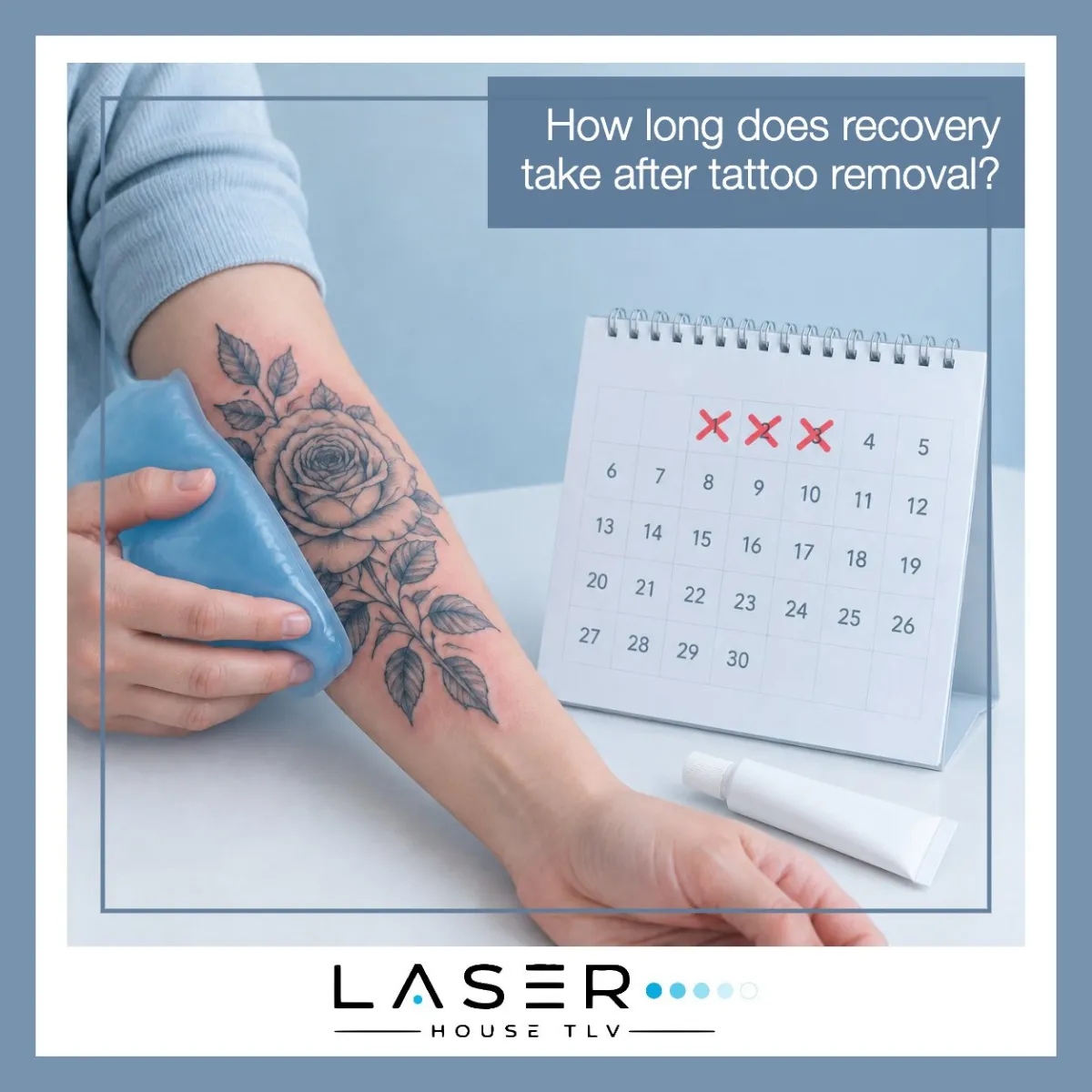
After a laser session most people ask one question: when can I get back to normal? The answer depends on the size of the tattoo, the colours, the condition of the skin and the area of the body. In this article we explain how many days recovery takes in each case, what to apply, and why cooling is an important part of the treatment itself.
Quick guide
The short answer
Tap a number to see what to do in each case.
On a sensitive area, a large area or a colour tattoo, recovery usually takes a little longer than the typical case.
These are the days until the skin calms down and you can return to your normal routine. The ink keeps fading for weeks after the session, which is why the break between sessions on the same area is much longer: at least 8 weeks, usually 8 to 12.
Colour or mixed tattoos
A colour tattoo, or a mix of black and colours, usually needs a little more recovery time than a black tattoo. Each colour responds to a different wavelength, and the skin receives more energy in the same area.
With colour tattoos cooling is especially important, because the risk of blisters is higher. Proper cooling in the first hours and days lowers that risk and helps the skin calm down faster.
- A large colour tattoo: extra cooling in the first hours after the session is a must.
Why cooling matters so much
Cooling is not only about comfort. During the session we use a cooling machine that blows cold air onto the skin before, during and after each pulse. It greatly eases the pain and protects the top layer of the skin from heat.
How laser tattoo removal works, step by step
When the skin is cooled, we can work at the energy the tattoo really needs instead of lowering it because of pain or heat. A more effective session affects both the result of each visit and the total number of sessions.
After the session, cooling continues at home. It reduces heat, swelling and discomfort and shortens recovery. Wrap a cold compress in a clean cloth and never put ice directly on the skin.
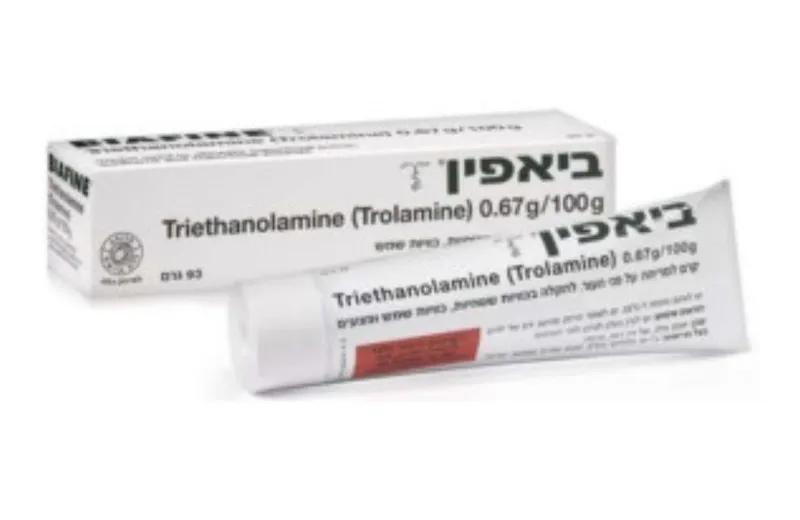
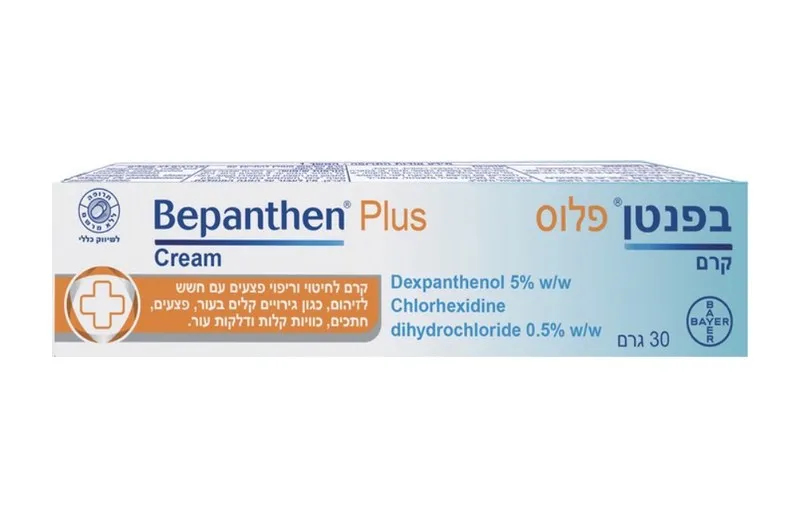
Which ointment to use
- A regular tattoo: any ointment with trolamine. In Israel the common one is Biafine, and it is usually enough.
- After fractional treatment: Biafine, plus Bepanthen Plus.
Apply a thin layer on clean skin, following the instructions you received at the end of the session.
What helps you heal faster
- Cool the area as instructed, especially on the first day.
- Apply the ointment in a thin layer, without overdoing it.
- Do not pick at scabs or pop blisters.
- In the sun, always with protection: SPF 50 sunscreen on the area.
- No pool or sea for the first days.
- No sauna or jacuzzi.
- No intense workouts for the first days.
- Wear loose clothing that does not rub the area.
When to contact us
If the pain gets worse instead of better, the redness spreads, you notice pus or a fever, or a large blister worries you, message us and send a photo. It is better to ask early.
More on our site
- Results gallery
Before and after photos of tattoo and permanent makeup removal from the clinic. - Tattoo removal aftercare
What to do at home day by day, and what to avoid. - How your skin will look after tattoo removal
What is normal while healing, and when colour changes in the skin fade. - Removing a large tattoo
How a sleeve is split into areas and how sessions are planned. - Colour tattoo removal
Why each colour needs its own wavelength. - Scars and burns after tattoo removal
How Er:YAG and fractional laser help scarred skin. - Fractional 8DF laser
When fractional is added and what it does for the skin. - How many sessions
What affects the number of sessions and the breaks between them. - Our lasers
Which wavelengths we choose for each ink.
Who performs treatment?
Yana Taletsky, owner and manager of Laser House TLV, has many years of practical experience in tattoo and permanent makeup removal, including cases following previous removal attempts. Her work at Taletsky Laser Clinic also covers pigmentation, scars and skin texture. She provides training in the use of Quanta System laser technologies.
Meet Yana and learn about our approachLet's look at your tattoo and your skin
You do not need to figure this out on your own. Tell us what worries you, show us the tattoo and let us know about any previous treatments. We will talk through what may be possible, what is uncertain and what the next step could be.
Discuss your case on WhatsAppFurther reading
American Academy of Dermatology: laser tattoo removal
FDA: tattoo removal options and results
