Every tattoo has its own pace. The number of sessions depends on the ink, your skin, the tattoo’s location and how it responds to treatment. At Laser House TLV, we start with an individual assessment and review progress throughout the course. Complete removal cannot be promised.
A realistic starting point
The figures below are the clinic’s indicative planning examples, not a prediction for your tattoo. Some cases need fewer sessions; others need more. A consultation helps clarify the goal, whether that is substantial removal or enough lightening for a new design.
| Tattoo Type | Estimated Sessions |
|---|---|
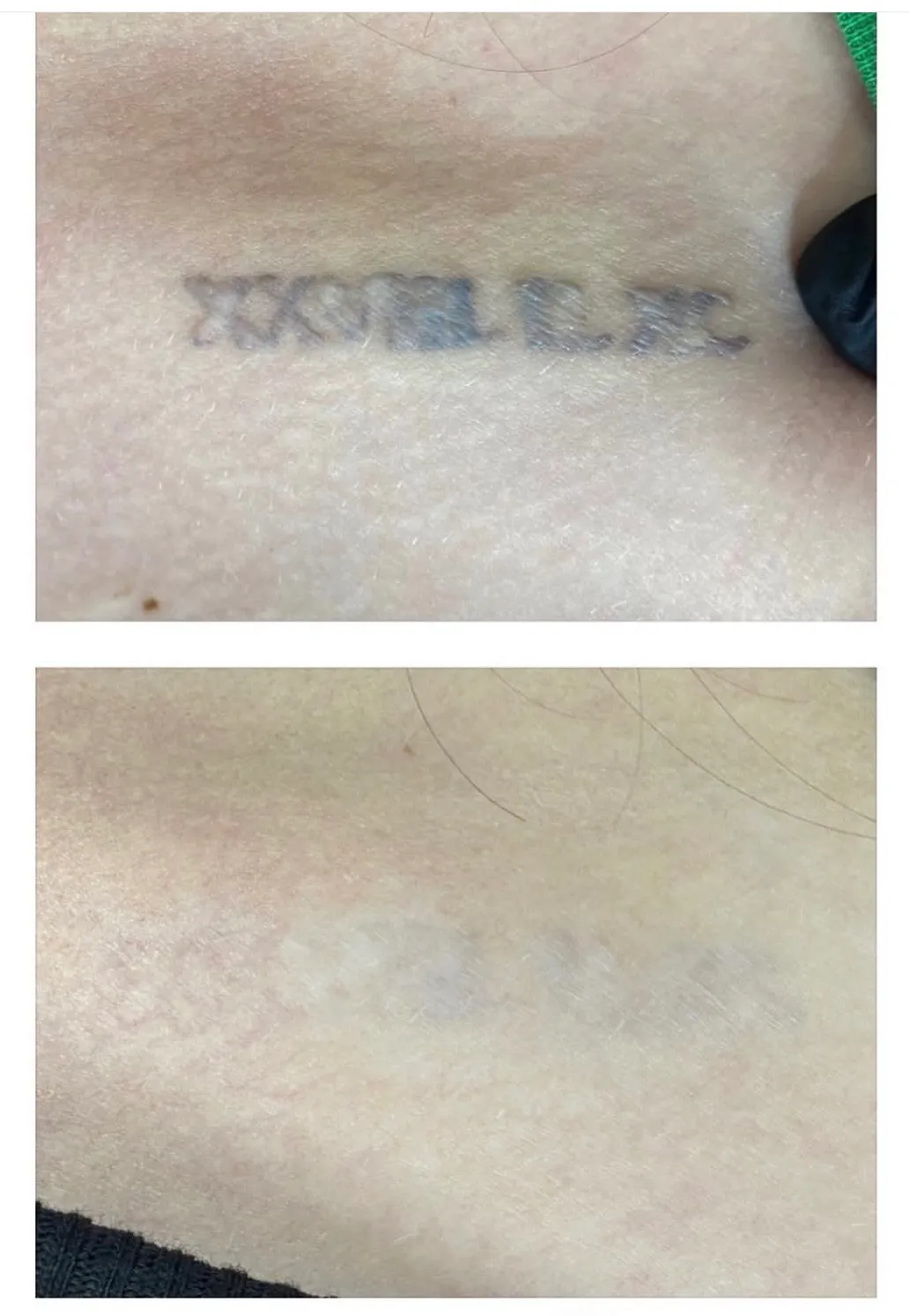
| Small amateur black tattoos | 4 to 8 sessions |
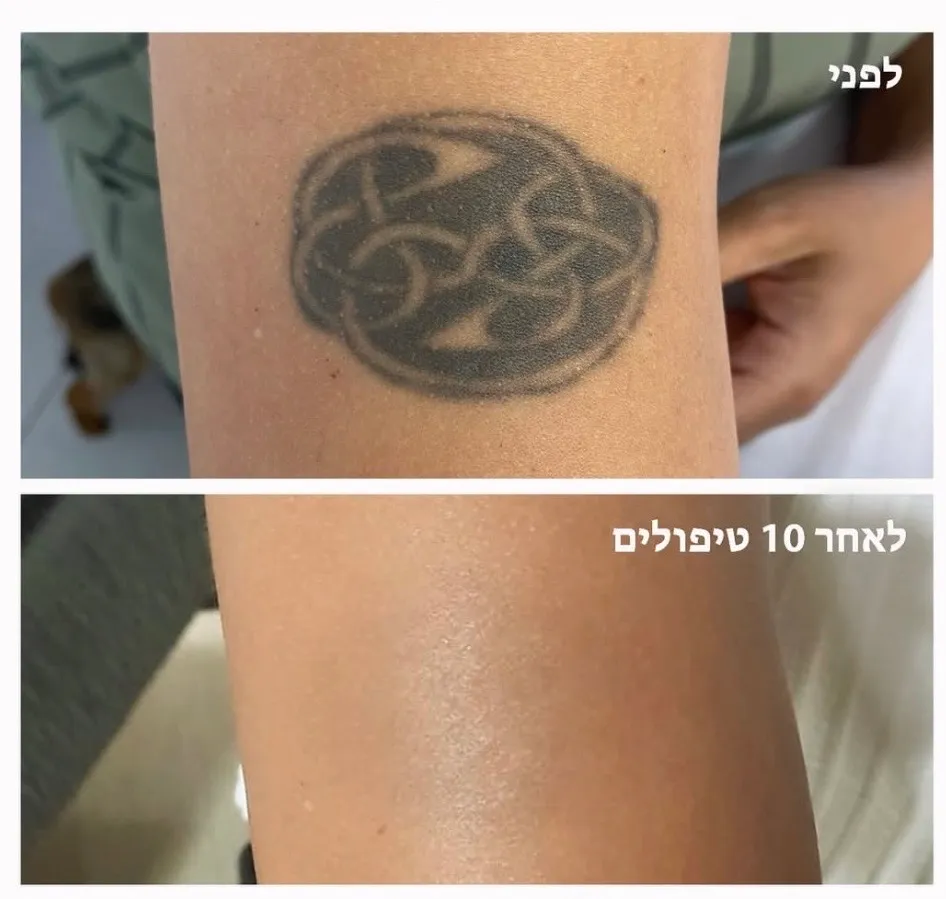
| Professional black tattoos | 8 to 12 sessions |
| Large dense tattoos | 10 to 15 sessions |
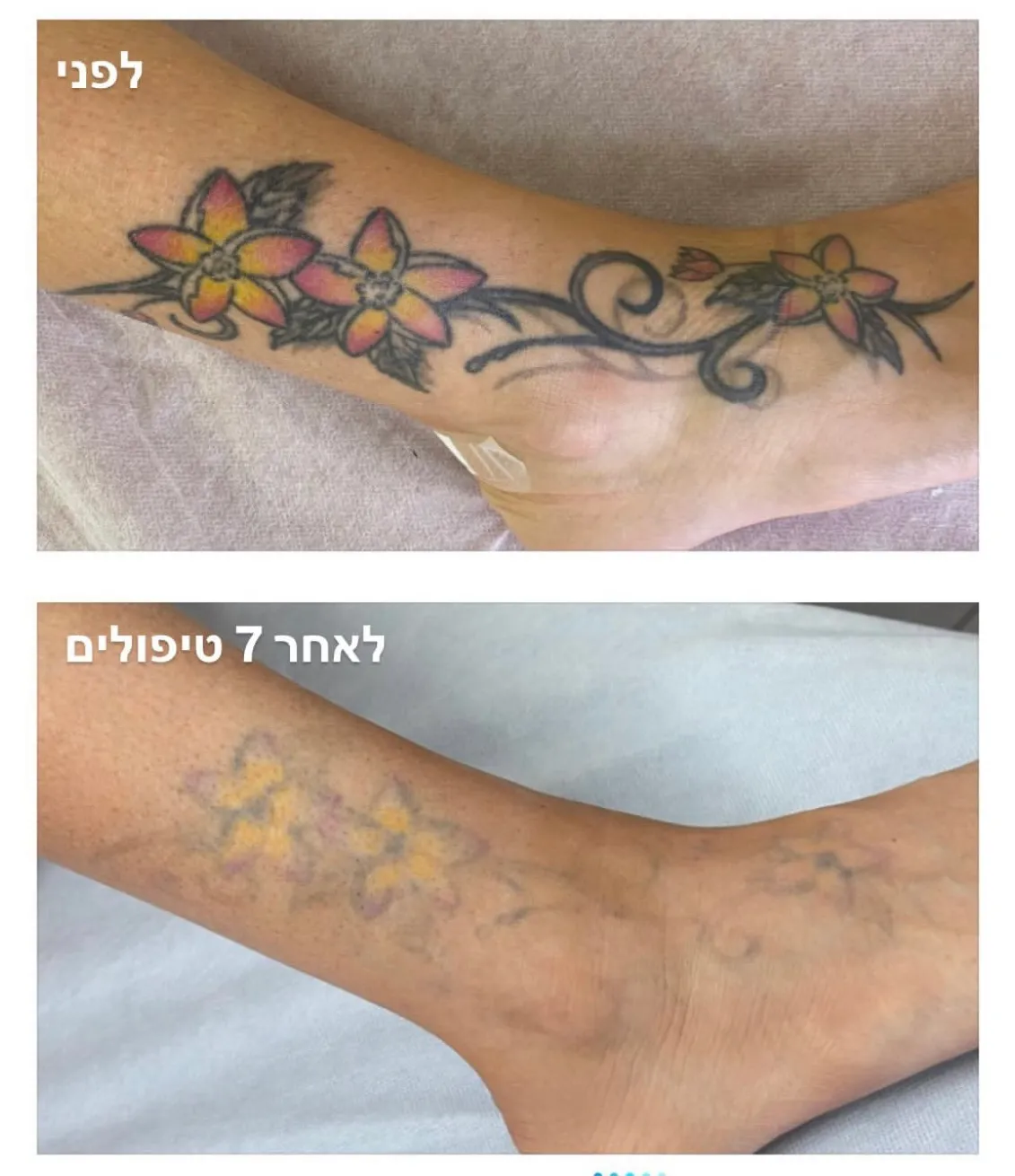
| Colored tattoos | 10 to 18+ sessions |
| Cover-up tattoos | 12 to 20+ sessions |
| Tattoos with scars or burns | Individual assessment required |
The final treatment plan is determined by the specialist after an individual assessment and reviewed as treatment progresses.
What affects your estimate?
- Skin type: we consider your skin’s response to sun, pigmentation and healing history.
- Location: hands, feet and other distal areas may fade more slowly.
- Ink amount: dense professional tattoos often need a longer course.
- Colours and composition: different pigments respond differently, even when their colours look similar.
- Layering: a cover-up adds pigment that may make removal more involved.
- Scar tissue: changes in skin texture can affect planning.
Tattoo age, previous treatments and your response also matter. Size alone cannot predict the number of sessions.
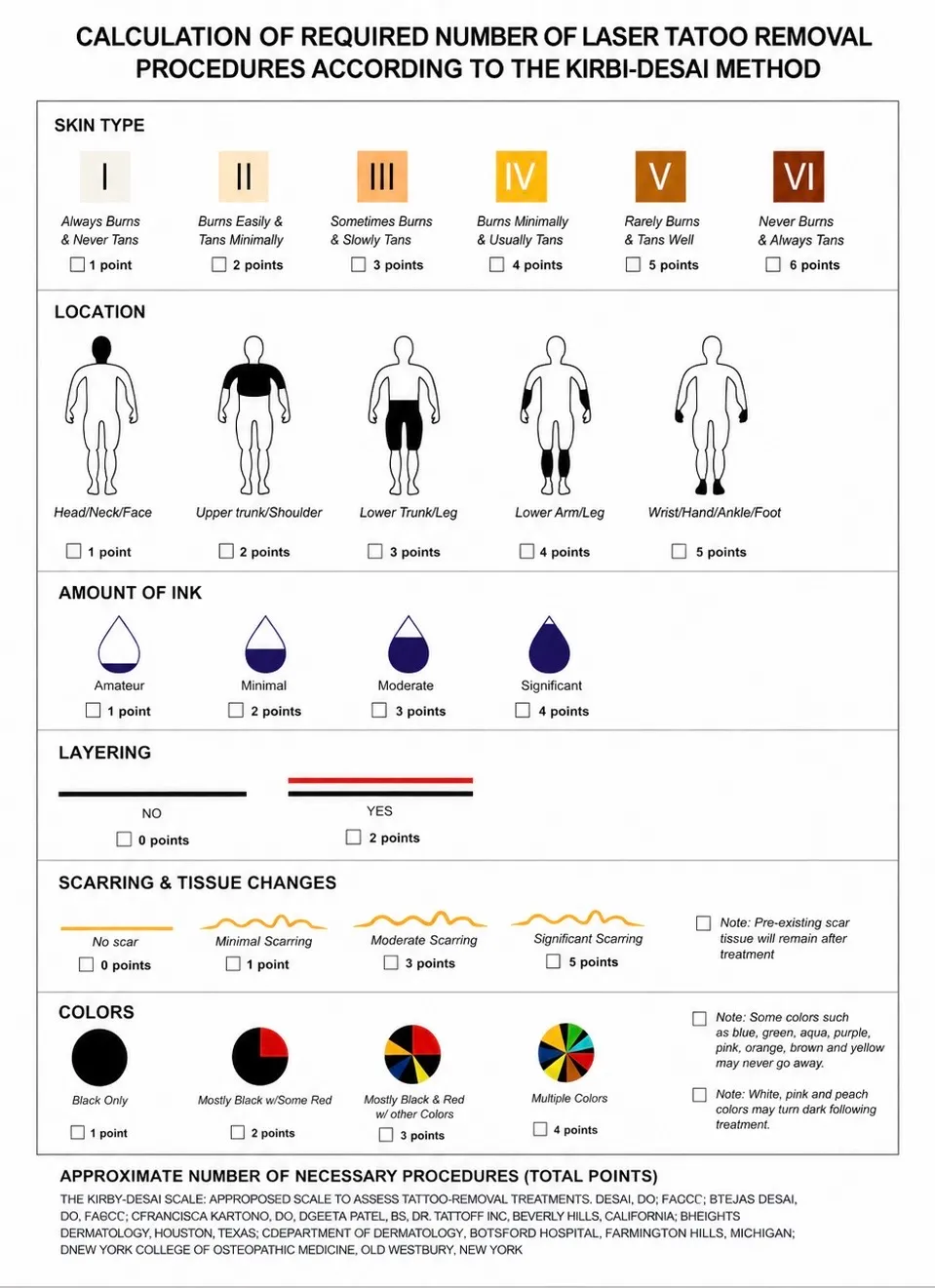
The Kirby Desai table: a useful reference
The Kirby Desai scale brings these six factors together to help with an initial estimate. Developed for Q-switched treatments, it is a reference rather than a guaranteed count. Your plan is reviewed as treatment progresses. Original study
Why your body needs time
Tattoo pigment sits in the dermis, beneath the skin’s surface. Laser pulses break up pigment, after which immune cells and lymphatic transport contribute to gradual clearance from the treated area. Fading therefore continues between appointments. Some pigment can remain in skin or lymph nodes; visible fading does not mean every particle has left the body. Human tissue study
Location is one influence, rather than a simple distance-from-the-heart rule. At our clinic, appointments are commonly planned around 8 to 12 weeks apart, with timing adjusted to healing and response. Longer intervals may be appropriate.
When the plan needs extra care
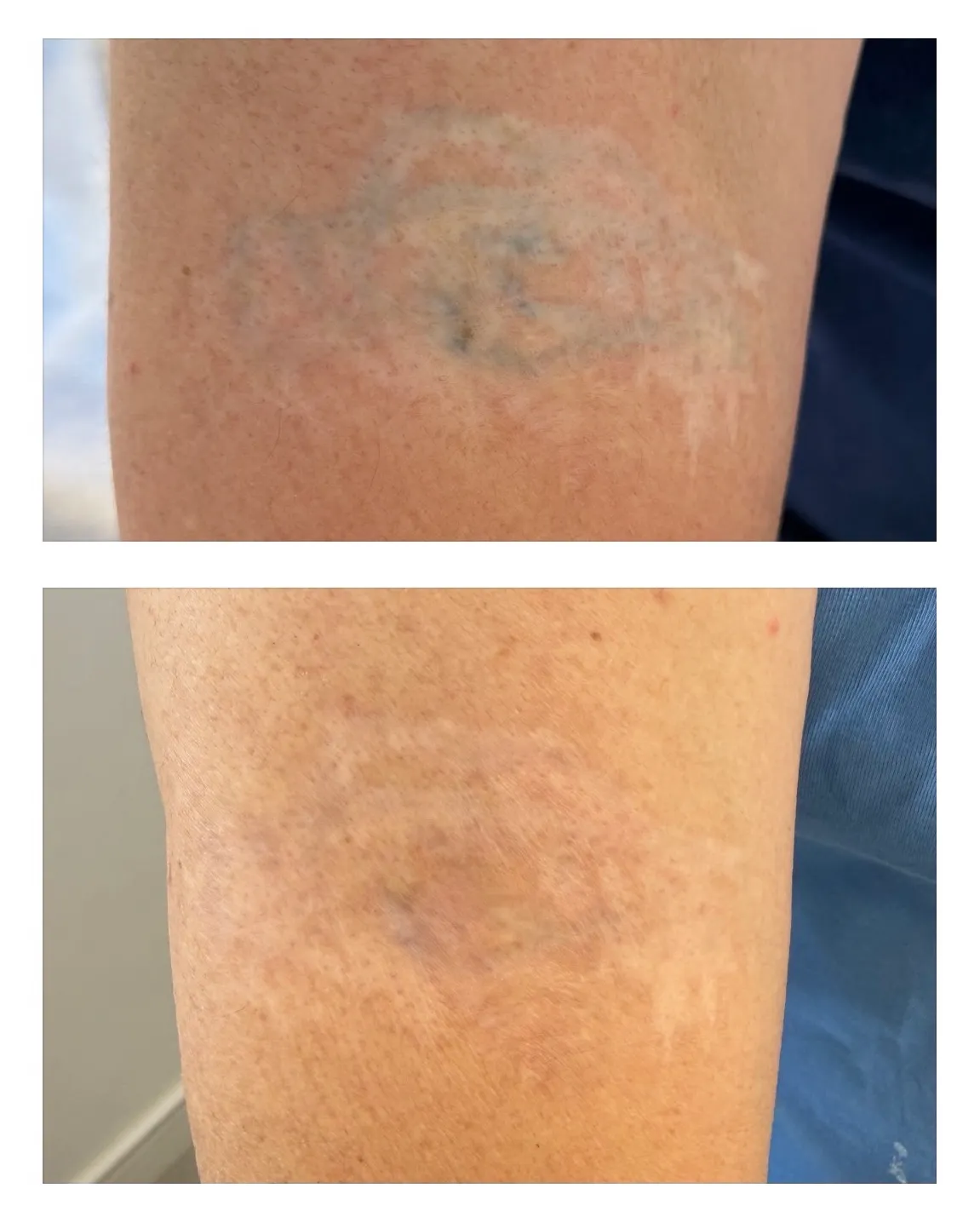
Dense cover-ups, resistant colours and previously treated tattoos may need a longer or changing plan. Some light or cosmetic pigments can darken after laser exposure; this is not always temporary.
If a scar is present, we assess the remaining ink and skin texture separately. Scar treatment has a different purpose from pigment removal.
Technology matched to your tattoo
At Laser House TLV, we use Quanta System Q-switched Nd:YAG and Ruby technology, selected according to the tattoo and skin. The wavelength, settings and treatment intervals all matter. Any separate treatment for skin texture needs its own assessment. No device guarantees a shorter course.

Your next step
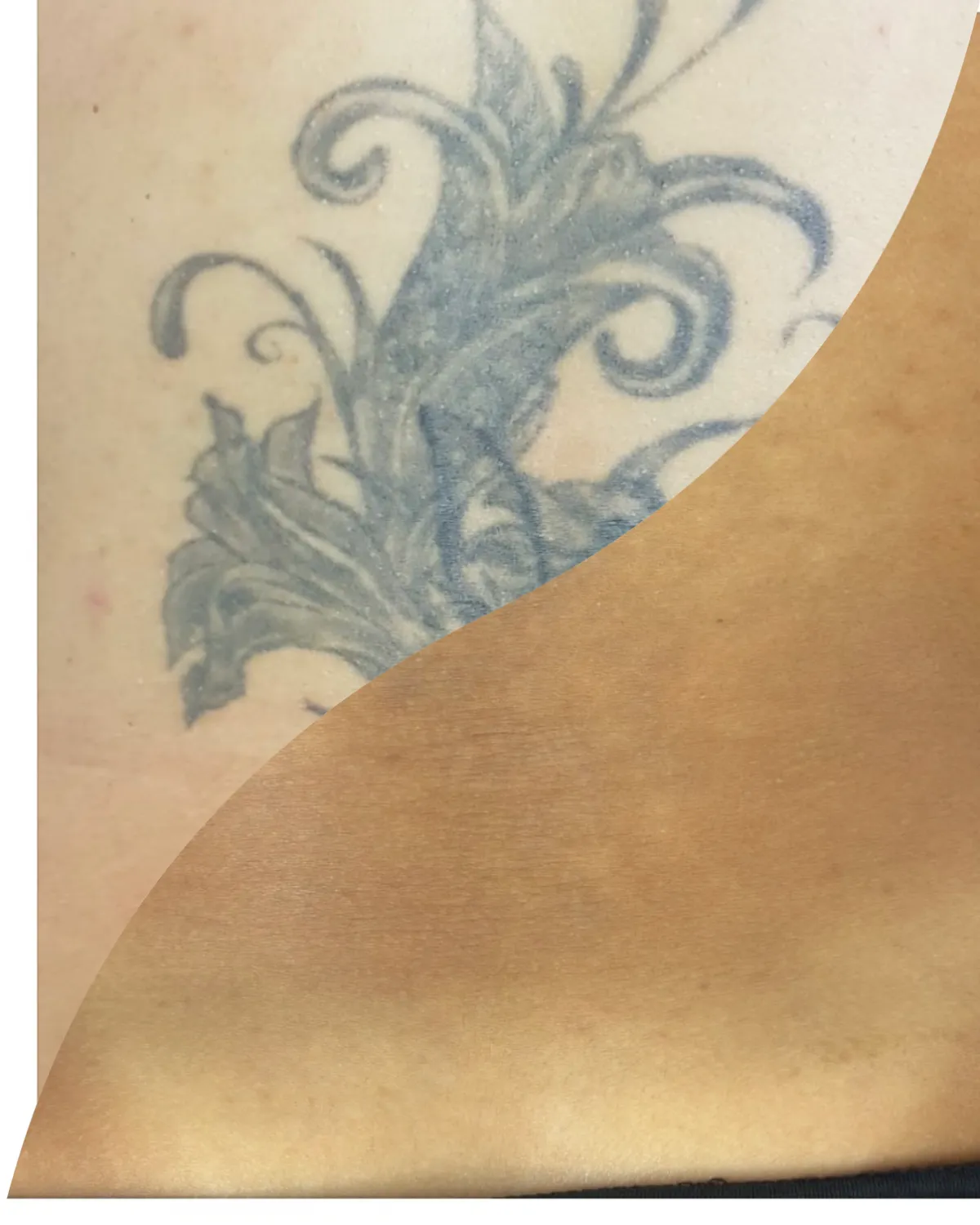
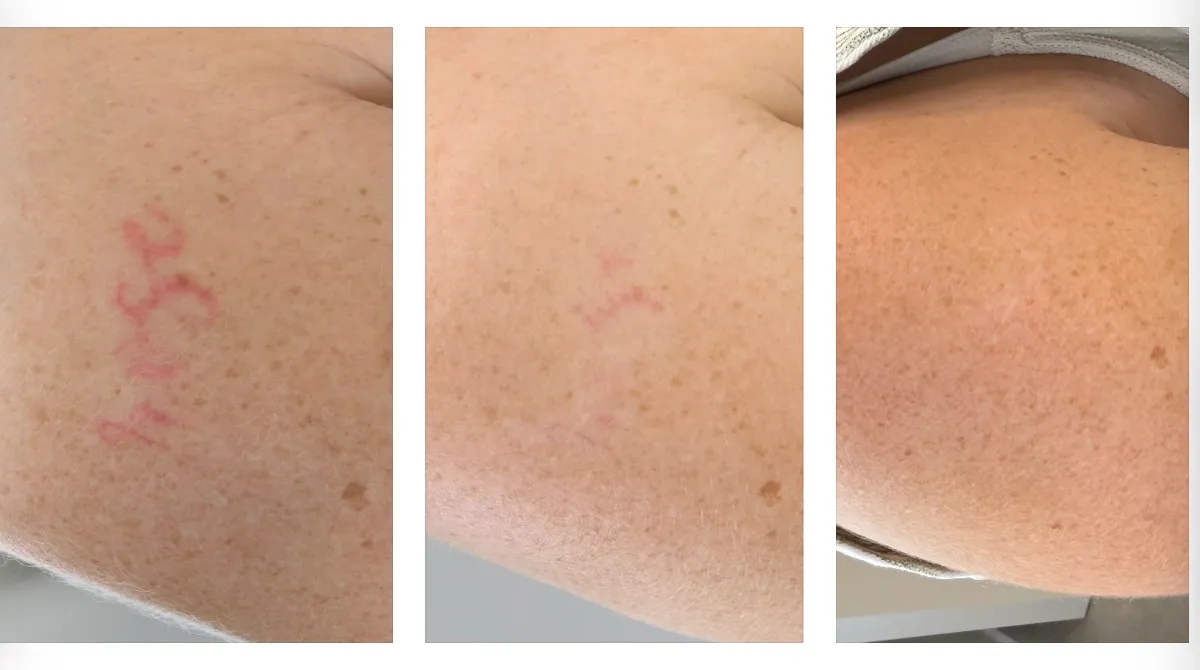
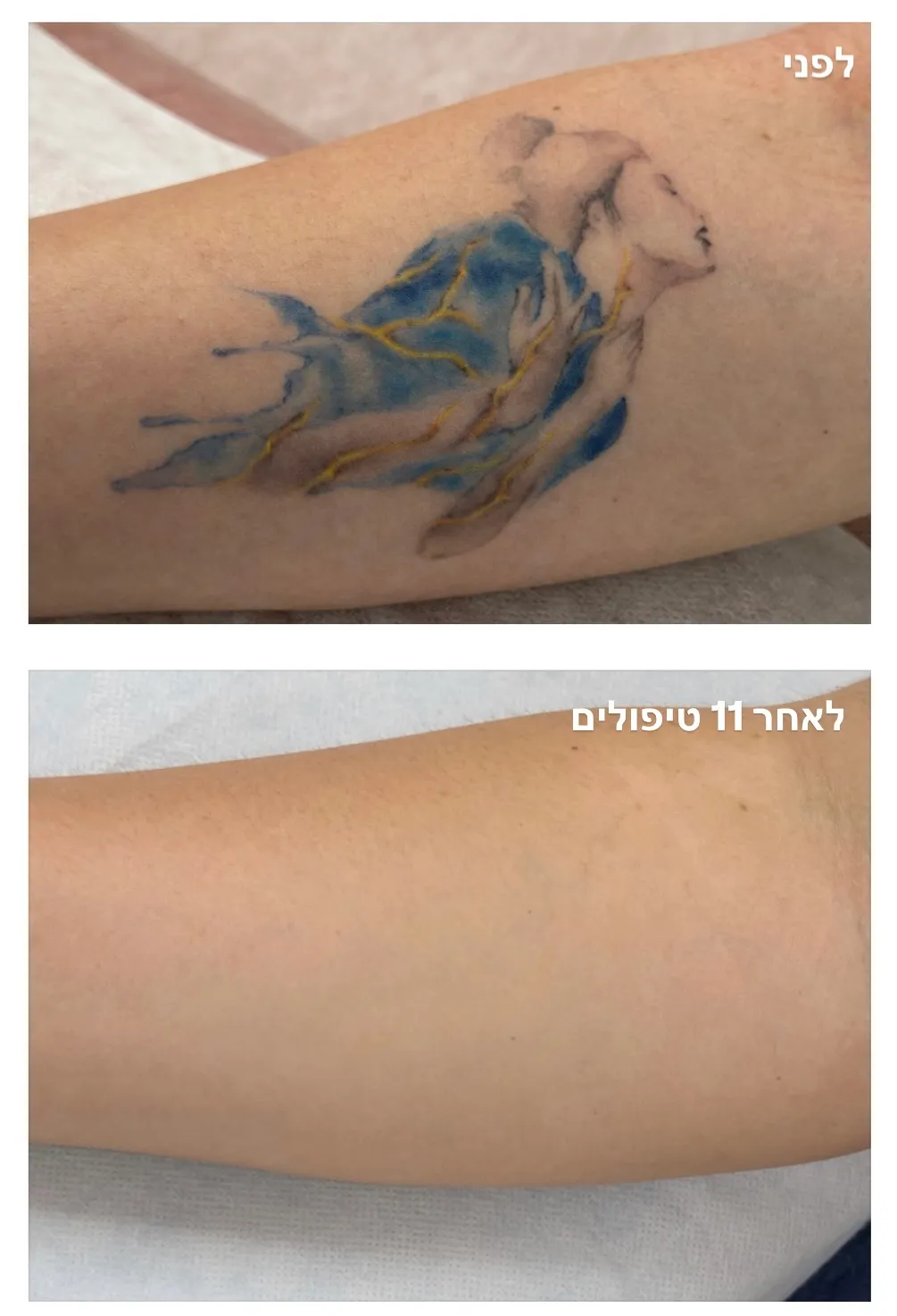
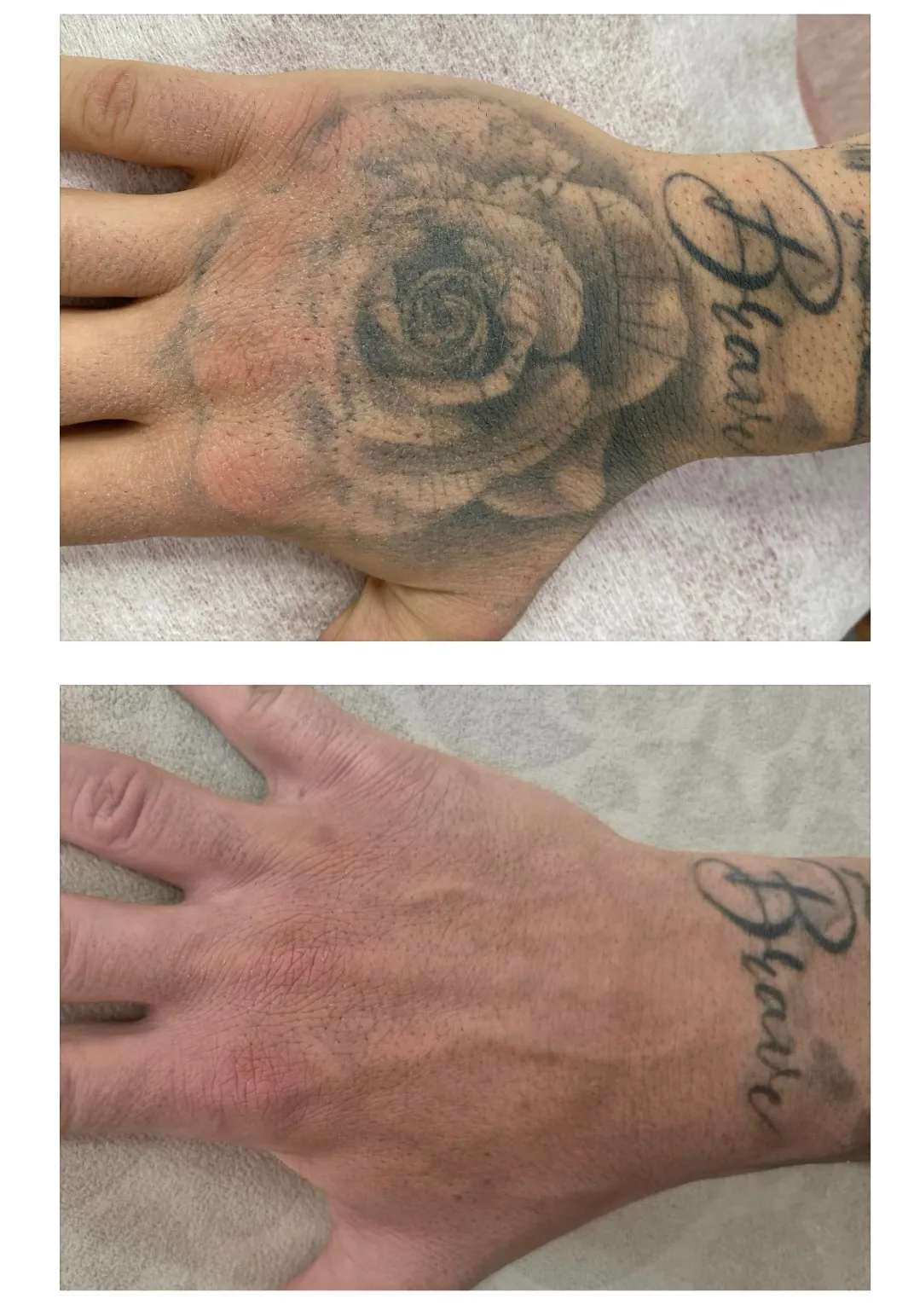
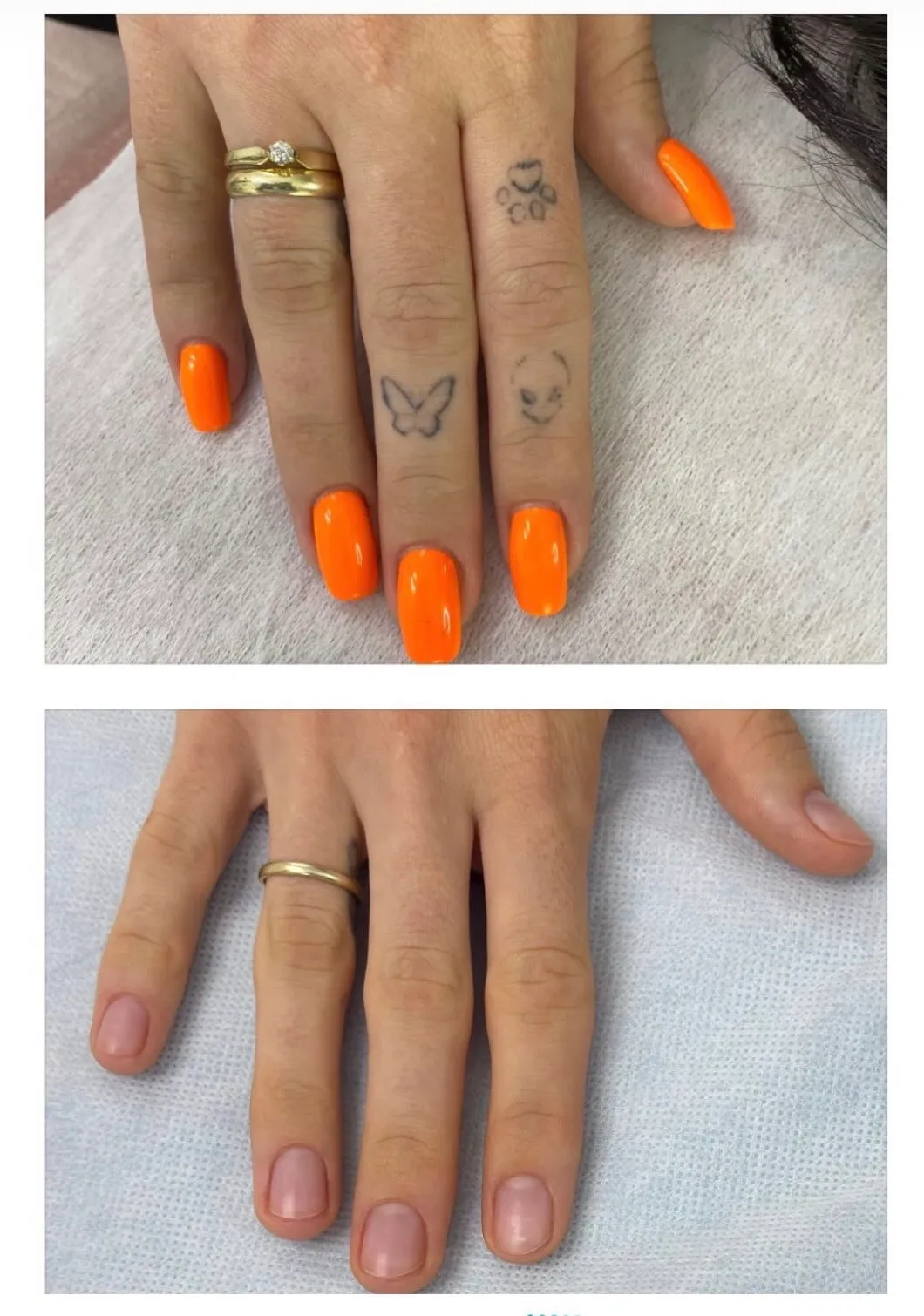
Our case photographs illustrate individual treatment journeys. Any treatment count applies only to that example; the images do not predict your result.
Explore our tattoo-removal guide and pricing guide, or contact us for an assessment. We’ll discuss a realistic plan, likely costs and how to protect your skin.
General information only; individual assessment is essential.