Can a Tattoo Be Removed Completely? Common Questions Answered
Laser tattoo removal is one of the most searched aesthetic procedures today, and naturally, people have many questions before starting treatment. How many sessions will it take? Does it hurt? Can color tattoos be removed? Will there be scars?
At Laser House TLV, we believe that education is an important part of every treatment journey. Using advanced Quanta System technology and an individualized approach, we help clients make informed decisions while prioritizing skin preservation and long-term results.
Below are the most common questions we receive in our clinic.
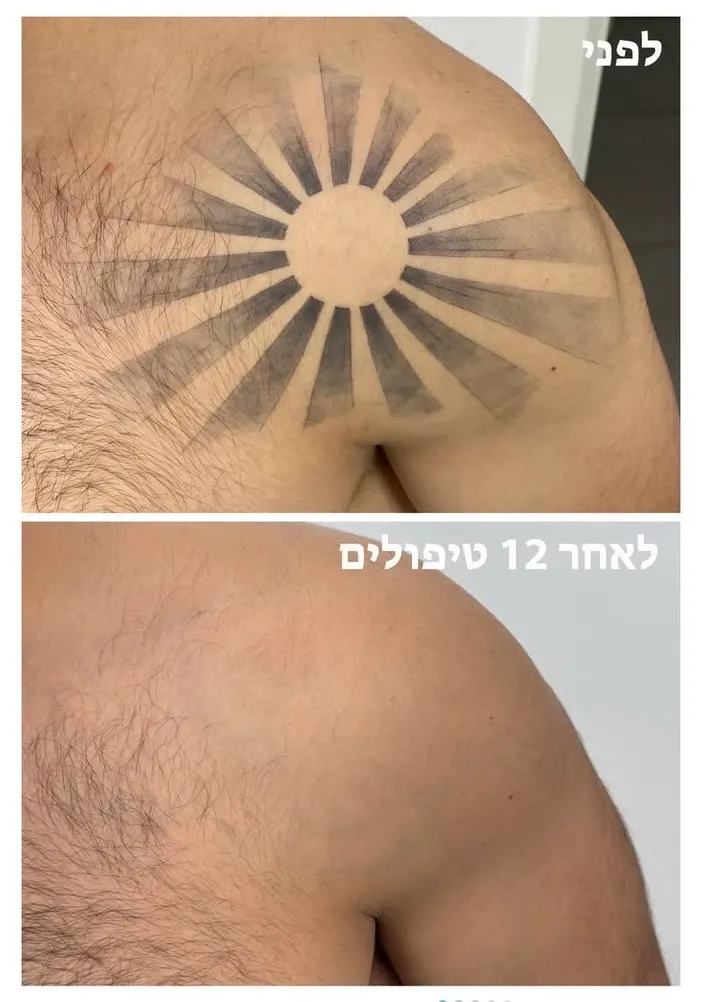
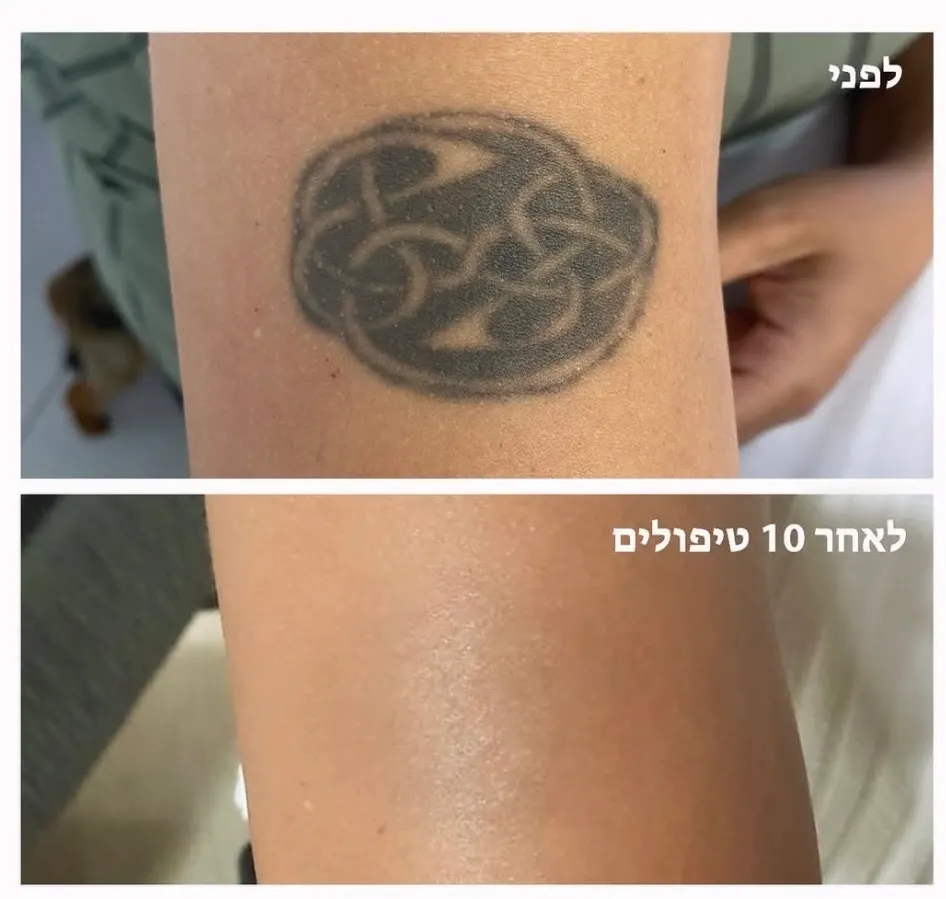
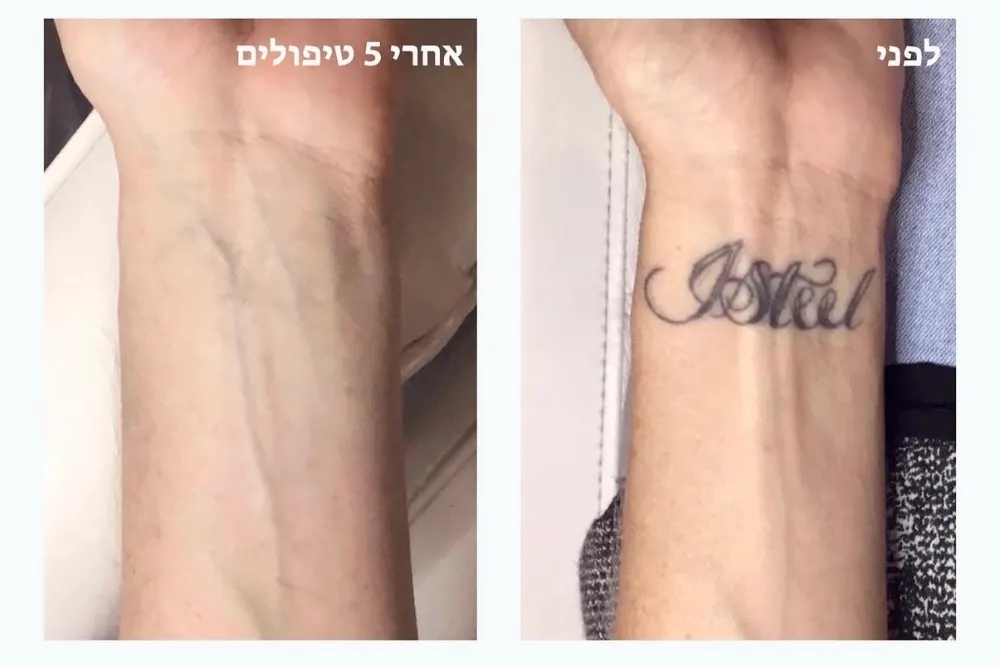
The photographs show individual cases. Any session count printed on an image applies only to that case and does not predict your result. The FAQ cover is an illustration.
How many sessions does laser tattoo removal take?
There is no fixed session count for every tattoo. An estimate depends on ink color, density, layering, location, skin type, scarring and the response observed during treatment. Some tattoos need a long course, and complete clearance cannot be guaranteed.
Read more: How Many Sessions Are Needed for Laser Tattoo Removal?
Can a tattoo be removed completely?
Some tattoos can be removed almost entirely, while others may leave a faint shadow or residual pigment. Black ink generally responds better than complex colors, and every case must be evaluated individually.
Read more: Why Can Tattoo Removal Stop Working After Many Sessions?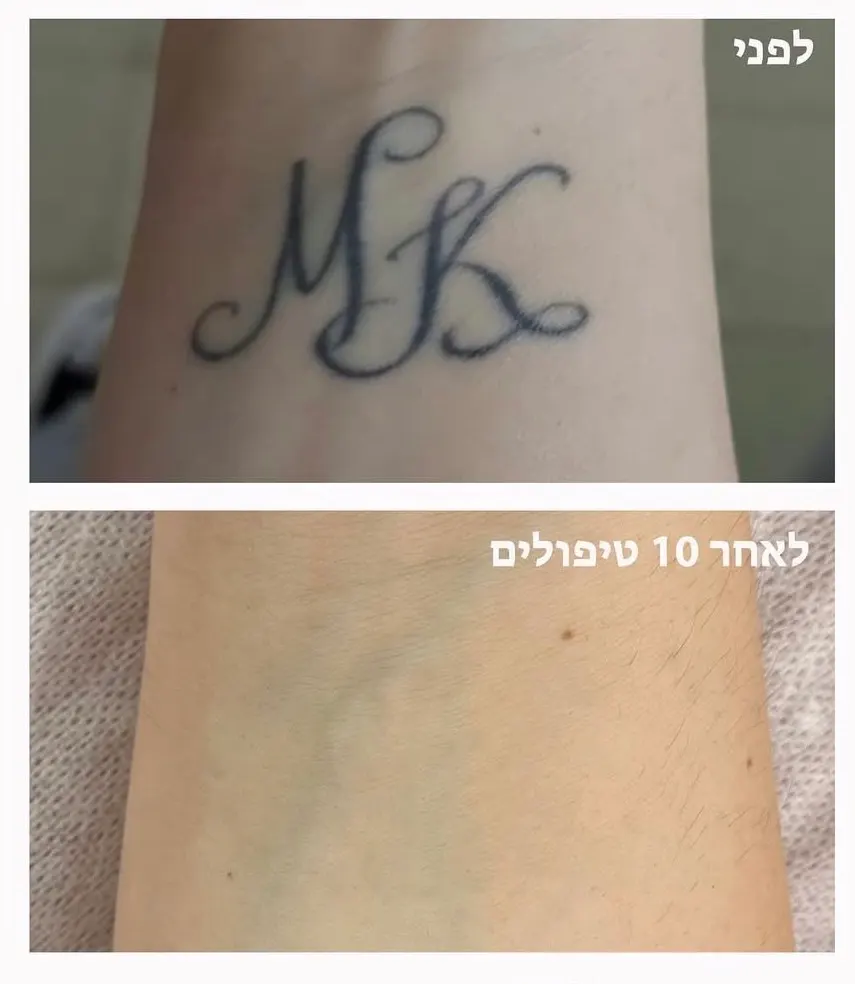
Does laser tattoo removal leave scars?
Laser tattoo removal carries a risk of scarring, even with appropriate equipment and technique. Careful assessment and aftercare aim to reduce that risk. Scars from the original tattoo or earlier treatments may remain visible.
Read more: Why Choosing the Wrong Laser Can Damage Your Skin
Does tattoo removal hurt?
Most clients describe the sensation as uncomfortable but manageable. Modern cooling systems significantly reduce discomfort while helping to protect the skin during treatment.
Discuss pain relief before your appointment. If a topical anaesthetic is recommended, follow the instructions for that specific product and your clinician’s advice. Do not improvise the amount, application time or use of plastic wrapping. The FDA warns about serious risks from some topical pain relief products, particularly with excessive application or covered skin.
How much does tattoo removal cost?
Pricing depends on tattoo size, colors, complexity, skin condition, and previous treatments. Complex cases involving scars, burns, or resistant pigments may require additional technologies and treatment time.
Read more: How Much Does Laser Tattoo Removal Cost?
What type of laser do you use?
Different pigments require different wavelengths. At Laser House TLV, we work with professional Quanta System technology to provide personalized solutions for black, blue, red, green, and difficult multicolored tattoos.
Read more: What Laser Do We Use for PMU & Tattoo Removal?
Can colored tattoos be removed?
Yes, many colored tattoos can be removed or significantly faded, but they require multiple wavelengths and an individualized approach.
Different wavelengths suit different pigments. Nd:YAG 1064 nm is commonly used for black and some dark inks; 532 nm can target red and certain warm colors; ruby 694 nm is an option for some blue and green pigments. Suitability also depends on skin tone and ink composition, and some pigments respond poorly.
Treatment planning considers both pigment response and the risk of skin-color or texture changes.
Read more: Advanced Colored Tattoo Removal And Pigment-Specific Laser Technology
Why are green and blue tattoos harder to remove?
Blue, green and turquoise pigments vary in how they absorb laser light. Ruby 694 nm is one option, but the appropriate wavelength depends on the pigment, skin type and treatment history.
Read more: Ruby Laser 694 nm: Uses and Considerations in Tattoo Removal
Why do tattoos on the legs take longer to remove?
Tattoo location is one factor in treatment response. Tattoos on the feet or lower legs may fade more slowly, but distance from the heart alone cannot predict clearance or the number of sessions. Ink characteristics, skin condition and the response to previous treatment also matter.
Read more: How Many Sessions Are Needed for Laser Tattoo Removal?
Why do we wait between sessions?
The skin needs time to recover, and pigment fading can continue between appointments. An interval of 8 to 12 weeks may be used in some treatment plans, but it is not a universal schedule. The next session depends on healing, pigment response and professional reassessment; a longer wait may be appropriate.
Read more: Laser Tattoo Removal in Tel Aviv: Complete Guide
Can tattoo removal be done faster?
More frequent treatments do not necessarily produce faster results. Safe and effective removal requires patience, proper healing, and individualized timing.
Read more: Laser Tattoo Removal in Tel Aviv: Complete Guide
Can I remove only part of my tattoo?
Yes. Partial tattoo removal is commonly performed for names, symbols, dates, or specific elements that clients wish to erase while preserving the rest of the design.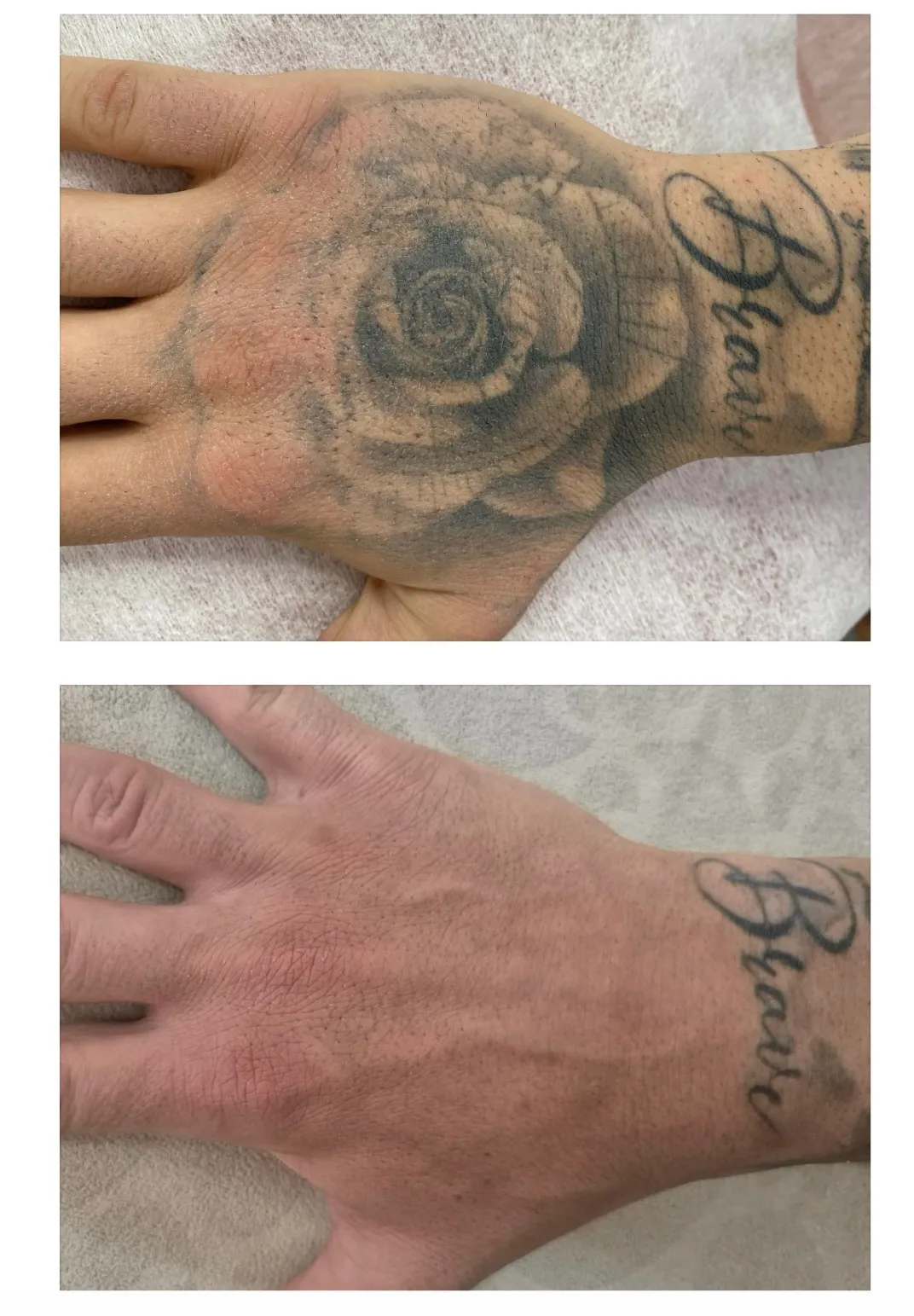
Can I lighten a tattoo for a cover-up?
Absolutely. Many clients only need enough fading to allow a tattoo artist to create a cleaner and more successful cover-up.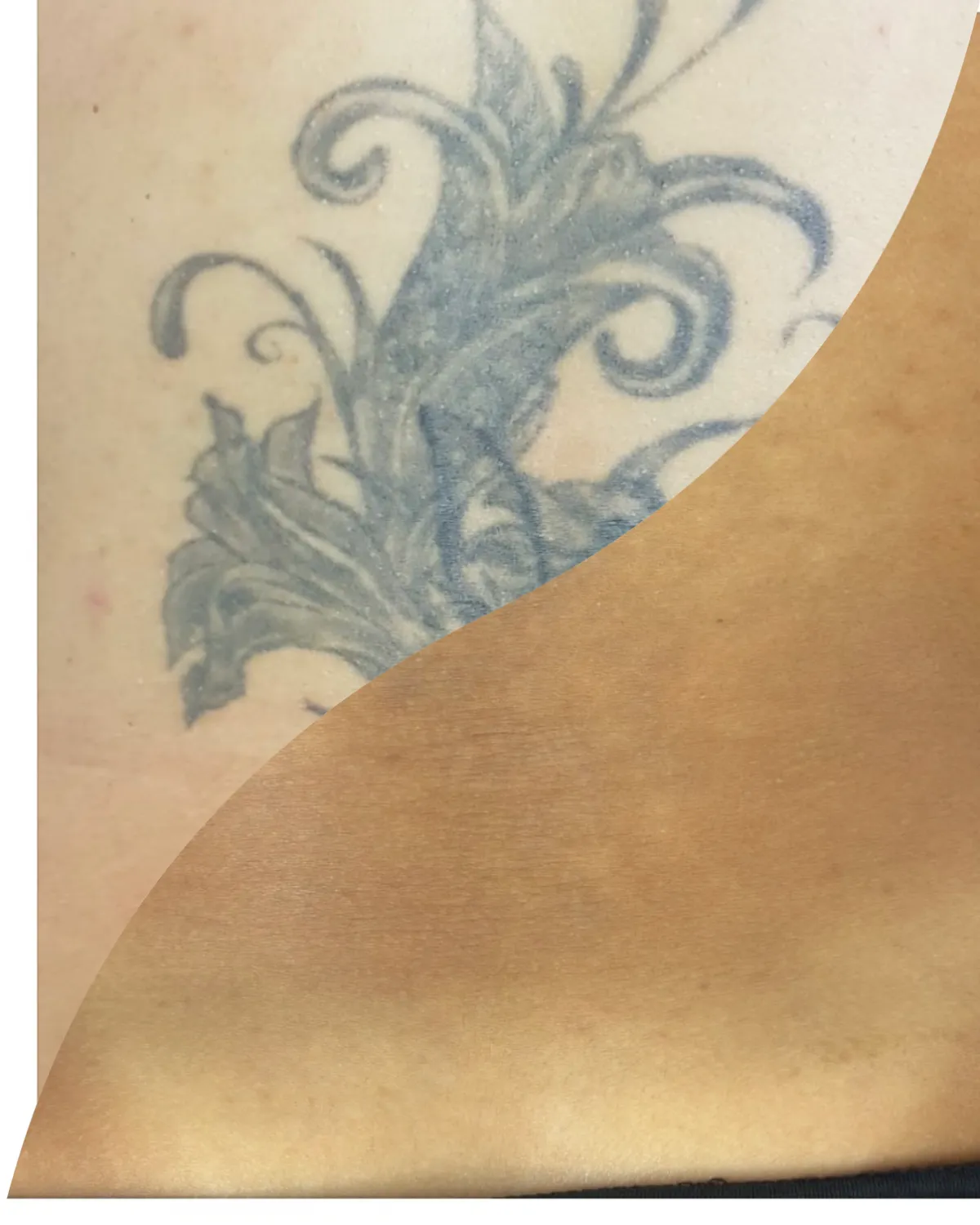
Can old tattoos be removed more easily?
Older tattoos may sometimes respond faster because natural fading has already occurred over time. However, ink quality, depth, and color remain important factors.
Can new tattoos be removed immediately?
No. The skin must fully heal before treatment begins to minimize the risk of complications and protect the integrity of the tissue.
Can a tattoo with scars or burns be treated?
Yes, but these cases require advanced assessment and a personalized treatment strategy.
A fresh burn, open wound or inflamed area needs assessment and healing before further cosmetic laser treatment. For selected healed scars or texture changes, a clinician may consider fractional treatment or Er:YAG resurfacing separately from the pigment-removal plan. Suitability depends on the scar, skin type and treatment history.
These approaches aim to improve selected skin changes; they cannot guarantee restoration of normal skin and carry their own risks.
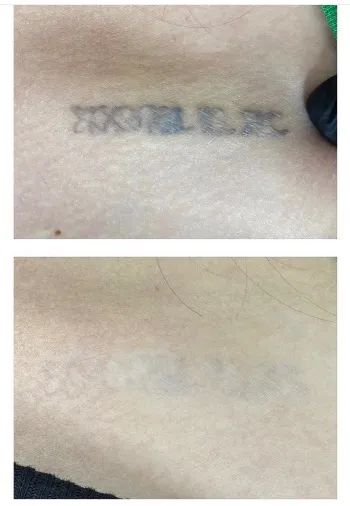
What if I had unsuccessful tattoo removal before?
Previous aggressive treatments may leave burns, hypopigmentation, hyperpigmentation, or scar tissue. Professional evaluation is essential before continuing treatment.
Read more: Why Can Tattoo Removal Stop Working After Many Sessions?
What happens after a laser session?
Redness, swelling and short-lived whitening can occur after treatment. Darkening has several possible causes and is not always temporary. Worsening pain, spreading redness, discharge or marked swelling needs medical assessment.
Read more: Tattoo Removal Aftercare
Can I exercise after tattoo removal?
Avoid strenuous exercise, heat and friction while the treated area is healing, following your clinic’s written aftercare instructions. Restrictions may last longer than the treatment day and depend on the area, swelling, blistering and skin recovery.
Read more: Top Mistakes After Tattoo Removal
Can I go in the sun after treatment?
Keep the treated area out of direct sun and protect it with suitable clothing. Use sunscreen on closed, healed skin when your clinician advises it; do not apply it to an open or blistered wound unless specifically instructed. Sun protection remains important between sessions.
Read more: Can You Remove A Tattoo In Summer?
Can tattoo removal be done during summer?
Yes, as long as the skin is not tanned and strict sun protection measures are followed.
Read more: Can You Remove A Tattoo In Summer?
Can I drink alcohol after laser treatment?
Avoiding alcohol immediately after treatment may help reduce swelling and support optimal recovery.
Read more: Tattoo Removal Aftercare
Top Mistakes After Tattoo Removal
Does smoking affect tattoo removal?
Since tattoo removal depends on the immune and lymphatic systems, smoking may slow down pigment clearance in some individuals.
Does drinking water help remove tattoo ink?
Hydration supports general health and recovery, but successful tattoo removal primarily depends on proper laser treatment and your body's immune response.
Read more: Laser Tattoo Removal in Tel Aviv: Complete Guide
Can laser tattoo removal cause cancer?
Tattoo-removal lasers use non-ionizing light, but that fact alone does not establish the long-term safety of every ink or its breakdown products. Long-term research is limited. Any new, changing or suspicious skin lesion should be assessed by a physician before laser treatment.
Read more: Why Choosing the Wrong Laser Can Damage Your Skin
Can tattoo ink enter the bloodstream?
Laser energy breaks pigment into microscopic particles that are gradually processed through the immune and lymphatic systems over time.
Read more: How Many Sessions Are Needed for Laser Tattoo Removal?
Why does a tattoo sometimes become darker after treatment?
Some cosmetic pigments, including inks containing iron oxides or titanium dioxide, can darken or change color after laser exposure. This is called paradoxical darkening. Further treatment may help in some cases, but the change can persist and complete removal cannot be promised.
Read more: Why Do Black Tattoos Turn Blue Over Time? Understanding the Tyndall Effect
Can permanent makeup be removed like regular tattoos?
Permanent makeup requires a specialized approach because cosmetic pigments behave differently from traditional tattoo inks.
Read more: Permanent Makeup Removal with Laser
Can eyeliner tattoos be removed safely?
Eyeliner tattoo removal requires experienced professionals and specialized internal eye shields. Protective measures do not eliminate the risk of eye injury, so suitability and risks must be assessed before treatment.
Video eyeliner removal
Why is professional equipment important?
Appropriate equipment, trained operation, careful assessment and aftercare all matter. Burns, scarring and pigment changes remain possible, and device features alone do not guarantee a better outcome.
Read more: What Laser Do We Use for PMU & Tattoo Removal?
Why Choosing the Wrong Laser Can Damage Your Skin
Is a Pico laser always better?
Not necessarily. The effectiveness of tattoo removal depends on the tattoo itself, pigment characteristics, skin condition, and practitioner expertise. Q-Switched and Ruby technologies remain highly effective for many indications.
Read more: Q-Switched and Picosecond Lasers: Understanding the Difference
Can all tattoos be removed in one session?
No. Safe tattoo removal is a gradual process that requires multiple treatments and sufficient healing time between sessions.
Final Thoughts
Laser tattoo removal is far more than simply breaking down ink. It is a medical-aesthetic process that requires careful assessment, advanced technology, patience, and individualized care.
At Laser House TLV, we combine Quanta System wavelengths including 1064 nm, 532 nm, and Ruby 694 nm, together with advanced supportive technologies such as Fractional 8DF and selected Erbium protocols for complex cases involving scars or damaged skin.
Gallery
Our partners
Whether your goal is complete removal, fading for a cover-up, correcting a previous unsuccessful treatment, or safely removing difficult colors, every plan is tailored specifically to your tattoo and your skin.
Our philosophy remains simple: remove the ink while preserving the skin.
Still have a question about tattoo removal? Send us your question and a clear photo if it helps. We’ll help you understand the next step.
Send a photo on WhatsApp