Tattoo Removal Aftercare: Blisters, Scabs and What to Apply
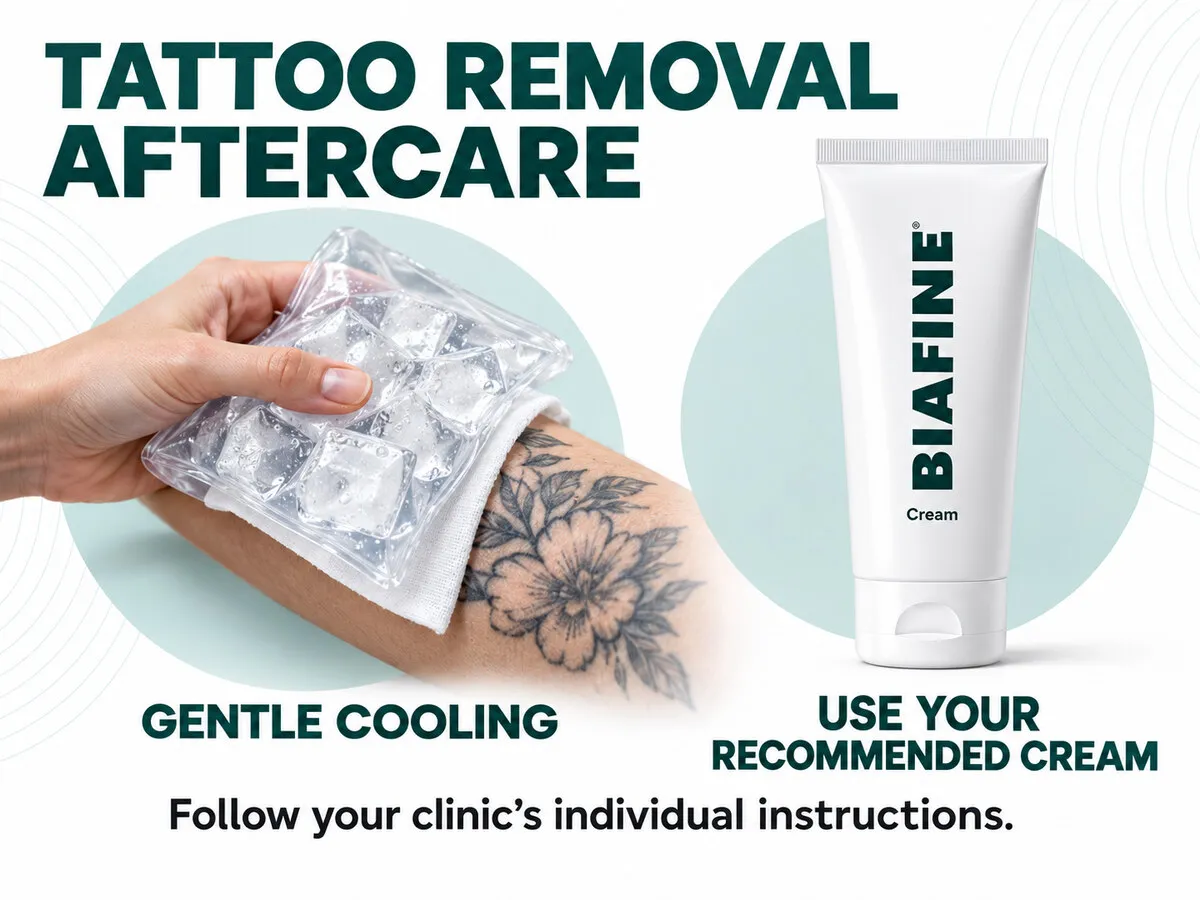
Your laser session is one part of tattoo removal. What you do at home matters too: gentle cooling, careful skin care and sun protection help support healing while your body gradually clears fragmented ink.
At Laser House TLV, we explain how to care for the treated area before you leave. Use this guide alongside your individual aftercare instructions. If you are unsure about a product, dressing or skin reaction, contact us before changing your routine.
Cooling after tattoo removal: start gently
Pay particular attention to cooling in the first hours after treatment. The skin may feel warm, tender or swollen. Gentle cooling can help ease discomfort.
How the treatment works: Zimmer cooling and your take-home aftercare kit
- Use a clean cold pack wrapped in a clean, soft cloth. Never put ice or a frozen pack directly against your skin.
- Rest it gently on the area. Do not press, rub or hold prolonged pressure against delicate skin or blisters.
- Use short applications with breaks. Follow the duration and frequency explained at your appointment. Do not leave a cold pack in place continuously or sleep with it on.
- Check your skin and stop if cooling hurts. Remove the pack if you develop burning, numbness, unusual paleness, blue colouring or blotchy skin, and seek advice.
If the skin is open, sensation is reduced or you have circulation problems, ask us how to cool the area safely before using a cold pack.
Cooling is for comfort; it does not replace assessment of severe or worsening pain. If your cooling instructions are unclear, contact the clinic rather than extending the time yourself.
What can you expect after treatment?
Redness, mild swelling, tenderness and a warm sensation can occur after laser tattoo removal. Temporary whitening, often called frosting, may appear immediately after the laser passes over the tattoo and usually fades shortly afterwards.
During healing, you may notice dryness, mild itching, small scabs or blisters. Reactions vary with the tattoo, treatment settings and your skin. A blister alone does not prove there is an infection, but a large, very painful or unusual blister needs advice from the clinic.
Blisters, scabs and itching: leave the skin alone
Do not pop blisters, scratch the area or pick off scabs. The skin over a blister helps protect the tissue underneath. Picking or rubbing can increase the risk of infection, changes in skin colour and scarring.
If a blister opens by itself:
- Wash your hands before touching the area.
- Do not peel away the skin covering the blister.
- Clean the area gently and use a non-stick dressing as directed by the clinic.
- Contact us for advice if you are unsure how to care for it, or if pain, redness, swelling or discharge increases.
Not every blister leaves a scar, but no aftercare routine can guarantee scar-free healing. Let scabs come away naturally and avoid tight clothing or anything that rubs the treated area.
What should you apply to the skin?
Use only the cream or dressing recommended in your individual aftercare instructions, at the frequency you were given. The appropriate product depends on how your skin is healing and whether it is intact or broken.
Do not add antibiotic ointments, alcohol, hydrogen peroxide or a new skincare product on your own. Avoid acids, retinol, exfoliants and scrubs on the treated area while it heals. Avoid adding fragranced skincare or other irritating products unless specifically recommended for your treatment.
If recommended for your skin by the clinic, use a trolamine-containing cream such as Biafine, following the product leaflet and the instructions given for your treatment.
Do not use Biafine on bleeding or infected wounds, or if you are allergic to its ingredients; seek medical advice before applying it to blistered burns, extensive burns, or deep or extensive wounds.
Showering, swimming, exercise and heat
Keep showers gentle
Follow the instructions you were given about when the area or its dressing can get wet. When showering is permitted, use lukewarm water, avoid a strong jet directly on the tattoo and do not scrub. Pat dry gently with a clean, soft towel.
Wait before soaking or swimming
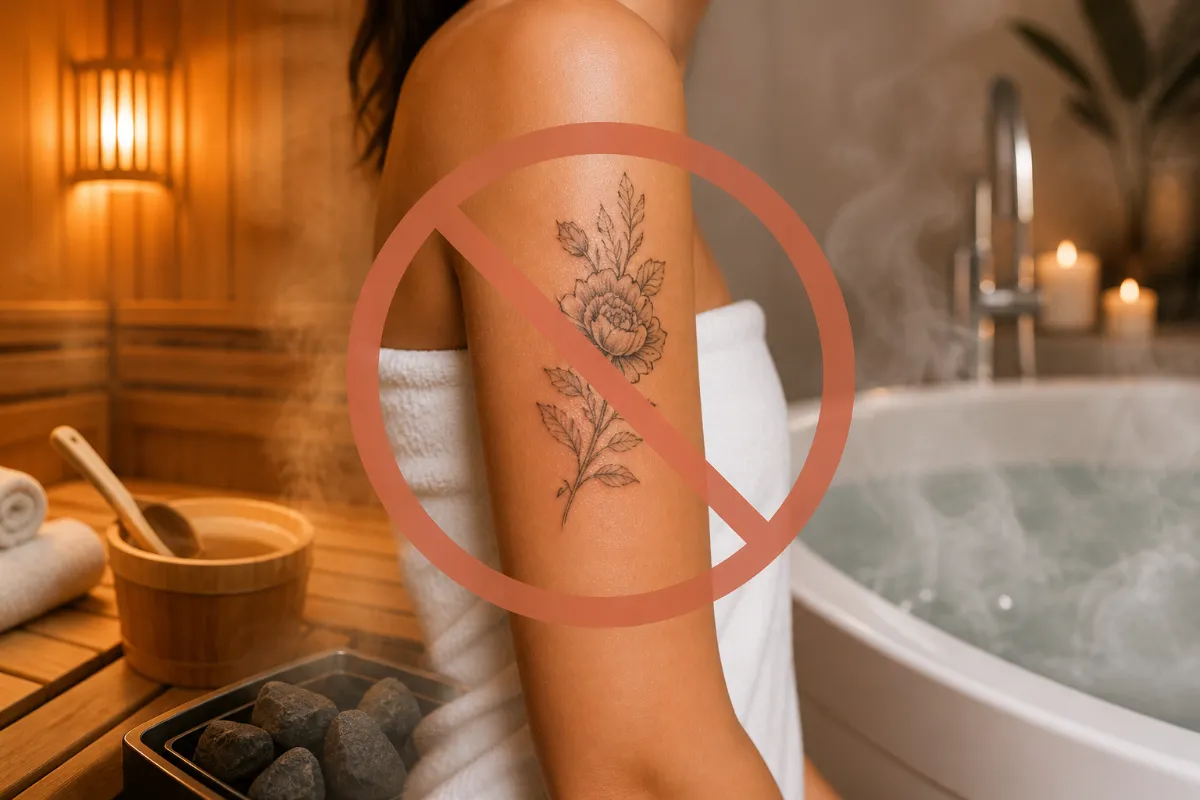
Avoid the sea, swimming pools, hot tubs and baths while there is a blister, scab, open area or skin that has not fully healed. Wait until the skin has closed and healed, and follow any longer restriction given by the clinic.
Give heat and friction a break
During early healing, avoid saunas, steam rooms, intense workouts and activities that cause heavy sweating or rub the tattoo. If the skin is blistered or open, wait until it has healed before resuming activities that could irritate it. Ask us if you are unsure when to return to your usual routine.
Protect the treated area from the sun
Sun exposure can increase the risk of uneven pigmentation after laser treatment. Keep the area out of direct sunlight and use loose, protective clothing that does not rub the skin.
Once the skin has closed and healed, use broad-spectrum SPF 50 on exposed treated skin, following the product instructions for reapplication. Do not apply sunscreen to open or blistered skin. Continue sun protection between sessions and follow the clinic's advice after your final treatment.
Why should you wait between sessions?
The laser breaks tattoo pigment into smaller fragments. Your body then gradually clears those fragments over the following weeks, so fading can continue after visible redness and swelling have settled.
At Laser House TLV, we generally recommend around 8 to 12 weeks between sessions, depending on the tattoo, the condition of your skin and its response to treatment. Some people need longer. Skin that looks better on the surface is not, by itself, a reason to bring the next session forward.
When should you contact the clinic or a doctor?
Contact us promptly if the reaction differs from what was explained at your appointment, especially for a very large or painful blister, unusual swelling, delayed healing or a marked change in skin colour. A clear photo can help us understand your concern, but some reactions need an in-person assessment.
Seek prompt medical assessment for possible infection if you develop worsening pain, spreading redness, increasing warmth or swelling, pus, an unusual smell, fever or feeling generally unwell. Redness can be less obvious on darker skin, so pay attention to warmth, tenderness and swelling too. Do not wait for a photo reply if symptoms are worsening or you feel unwell.
Seek emergency medical help for difficulty breathing, swelling of the lips, tongue or throat, fainting or confusion.
Aftercare at Laser House TLV
We use Quanta System laser technology and plan treatment around the tattoo's pigment and your skin. Your home-care instructions are tailored to your treatment and healing response. If something does not look or feel right, get in touch.
Related topics for tattoo removal
- Choosing a tattoo removal clinic and laser technology
- How many tattoo removal sessions are needed?
- Top mistakes after tattoo removal
- Allergic reactions during tattoo removal
- Coloured tattoo removal and pigment-specific lasers
Questions about the aftercare instructions for your tattoo-removal treatment? Message us with your question and treatment date so we can help you understand the next step.
Message us on WhatsApp