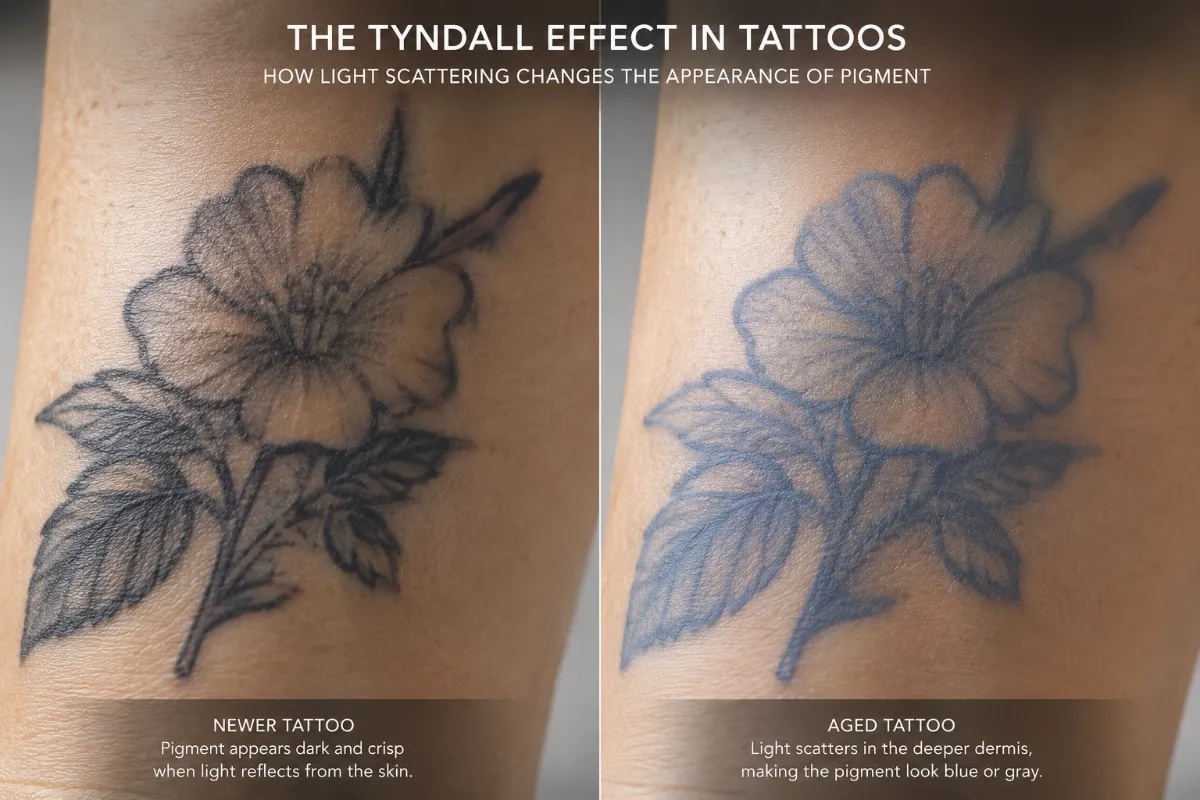
Why Do Black Tattoos Turn Blue Over Time? Understanding the Tyndall Effect
Why Does a Black Tattoo Look Blue Years Later?
A black tattoo can look blue or grey through the skin without containing blue ink. The visible colour depends on the pigment as well as the skin above it. It is not possible to identify the ink composition or exact depth from a photograph alone.
What Is the Tyndall Effect?
The term Tyndall effect is often used to describe the blue appearance of dark pigment beneath the skin. Skin optics involve both scattering and absorption of light, not just one simple blue-light rule.
Experimental tattoo models studied by Shimada and colleagues showed how the optical properties of skin and dye affect apparent colour. This laboratory work helps explain appearance; it does not diagnose an individual tattoo.
Why Do Tattoos Become More Blue Over Time?
Fading, the mixture of pigments, their distribution and changes in the skin can all affect the appearance over time. A blue cast does not prove that pigment has migrated deeper. Tattoo age alone cannot tell us which explanation applies.
Is the Ink Actually Turning Blue?
Sometimes the change is mainly optical. In other cases, a mixture of inks or a change in pigment contributes. The appearance should therefore be considered alongside the tattoo history rather than labelled automatically as unchanged black ink.
Tyndall Effect vs. Blue Tattoo Ink
A blue-looking tattoo might contain black ink, blue ink or a mixture of colours. Cover ups and touch ups can add further layers. Where available, information from the tattoo artist about the inks used can help the assessment.
Why Careful Assessment Matters Before Tattoo Removal
Discuss the original colours, previous treatments, any darkening after laser exposure and changes in skin texture. Skin tone and tanning also affect treatment planning. The aim is an informed assessment, not a claim that every component of the ink can be identified by sight.
How the Tyndall Effect Influences Laser Tattoo Removal
Different pigments absorb laser energy differently. The visible shade helps guide the discussion but does not automatically select a device or wavelength. Skin characteristics and response to previous treatment must be considered too.
Optical colour appearance is separate from paradoxical darkening after laser treatment. The FDA explains that some cosmetic and light coloured tattoos can darken. This possibility should be discussed before treatment.
Does the Tyndall Effect Make Tattoo Removal Harder?
A blue appearance by itself cannot predict the number of sessions or the final result. Ink density, layers, skin response and previous treatment all matter. Some pigment can remain, and treatment carries risks including changes in skin colour and scarring.
How We Assess Tattoos at Laser House TLV
At Laser House TLV, we review the tattoo and treatment history alongside the skin before discussing a plan. Photographs help document progress between visits. We use Quanta System equipment, with the treatment approach chosen for the individual case.
Conclusion
A change in appearance is a reason to reassess, not a reason to promise a particular removal result. If colour changes are accompanied by persistent itching, raised skin or other symptoms, seek medical assessment.
Related reading: coloured tattoo removal, green eyebrows after permanent makeup and tattoo removal aftercare.
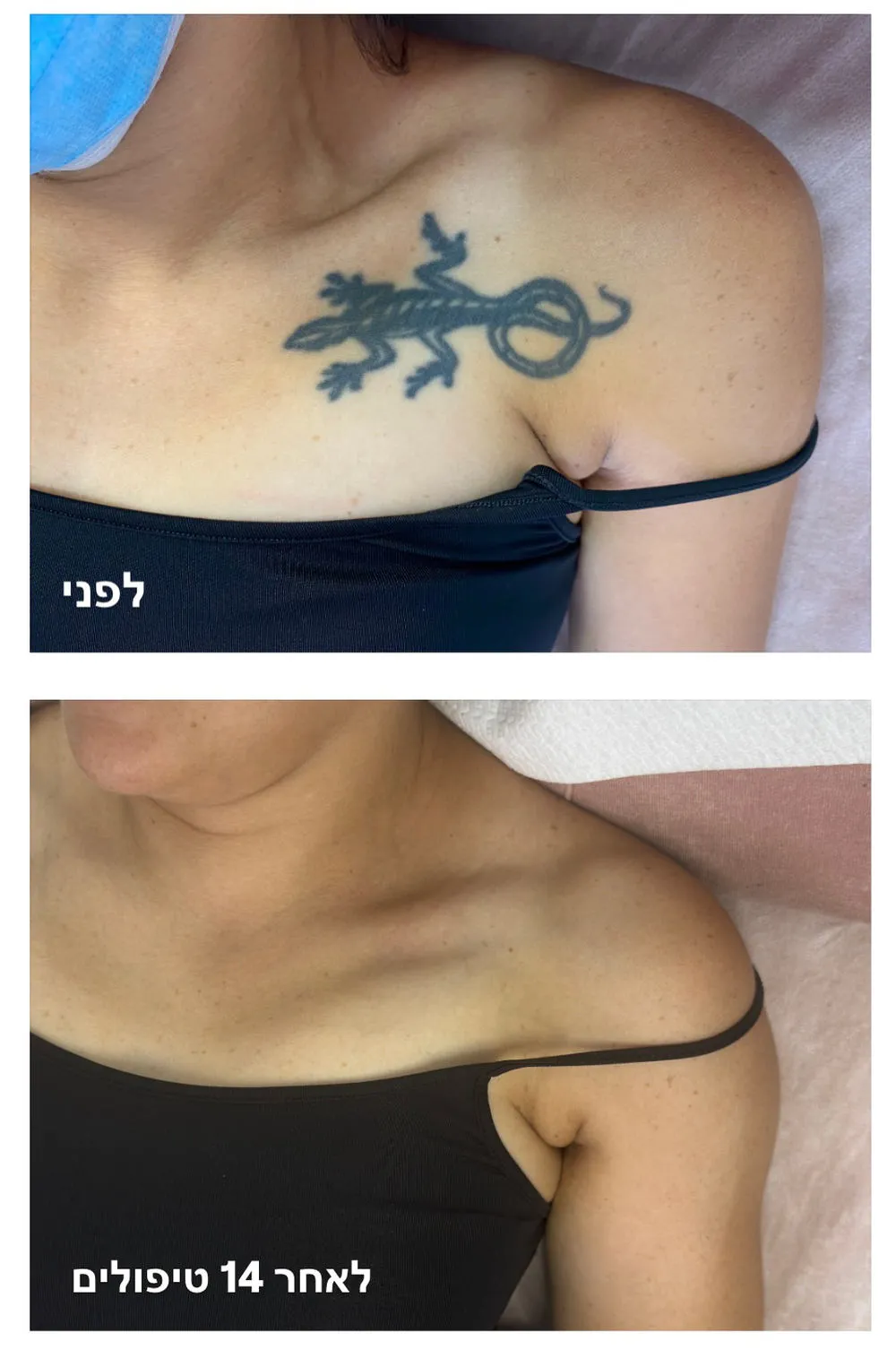
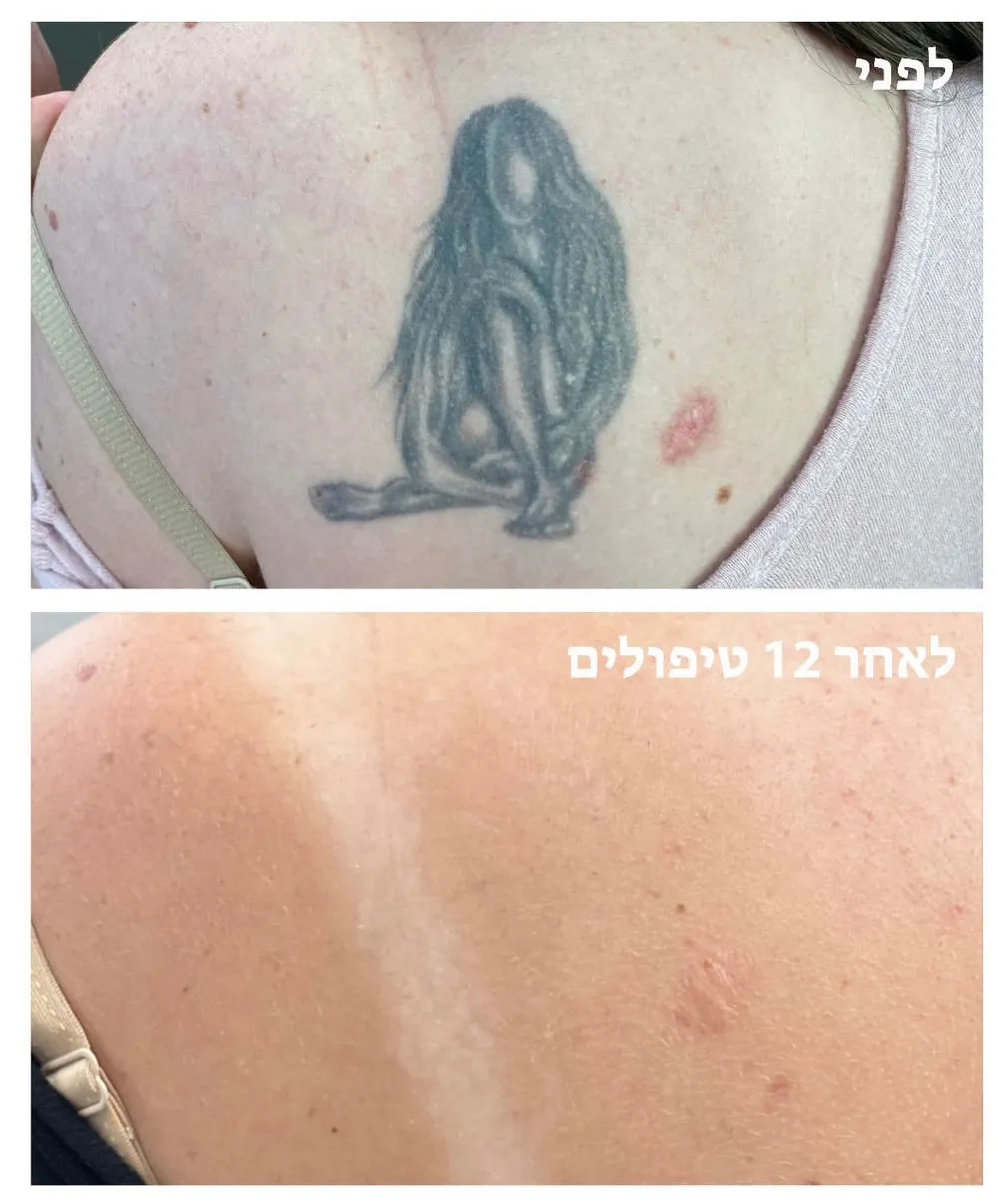
Individual removal cases are shown below. Their colours and session counts do not establish the cause of a colour change or predict another person’s result.

Has your tattoo developed a blue or grey appearance? Send us a clear photo and we’ll explain how an individual assessment can help guide the next step.
Send a photo on WhatsApp