Discovery Pico VarioPulse®: Why Advanced Laser Technology Matters
Quanta System AMWC 2025 Award
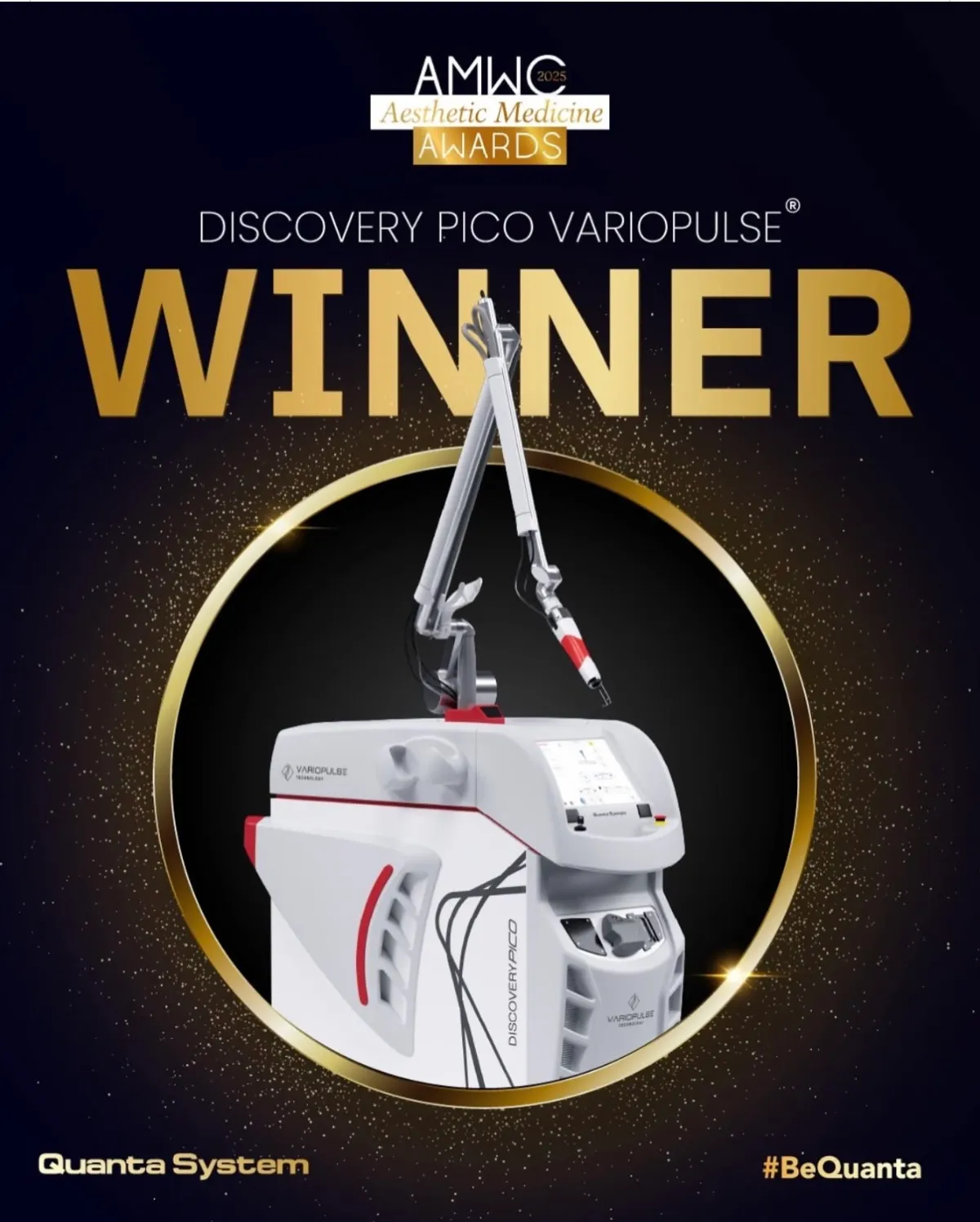
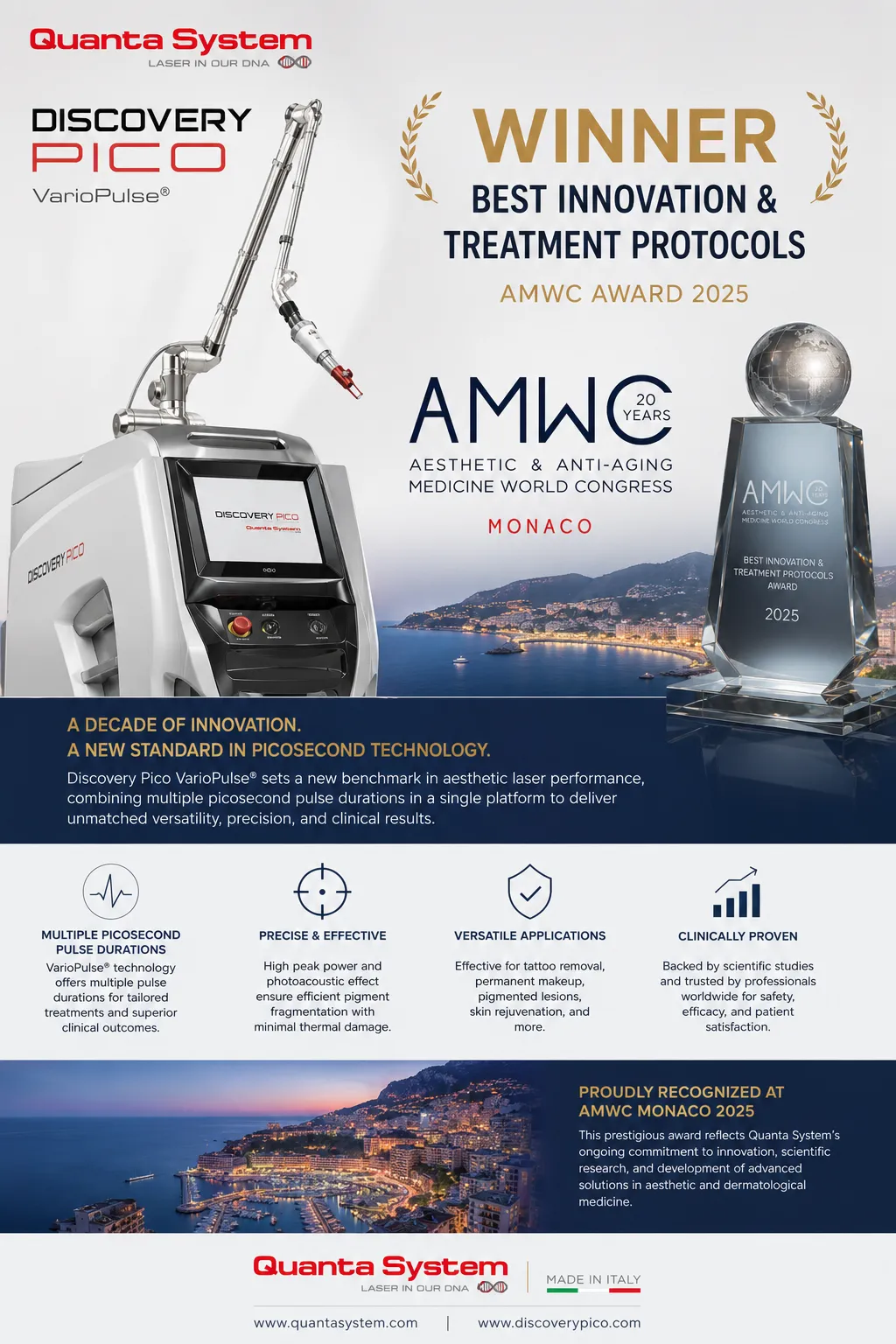
According to El.En. Group’s award announcement, Discovery Pico VarioPulse® received the “Best Innovations & Treatment Protocols” award at AMWC 2025 in Monaco.
An industry award recognizes an innovation. It does not establish that a device is safer or more effective for every tattoo, skin type or treatment plan.
At Laser House TLV, we discuss laser tattoo removal in Tel Aviv through an individual assessment of the tattoo, skin and treatment history.
What Is VarioPulse® Technology?
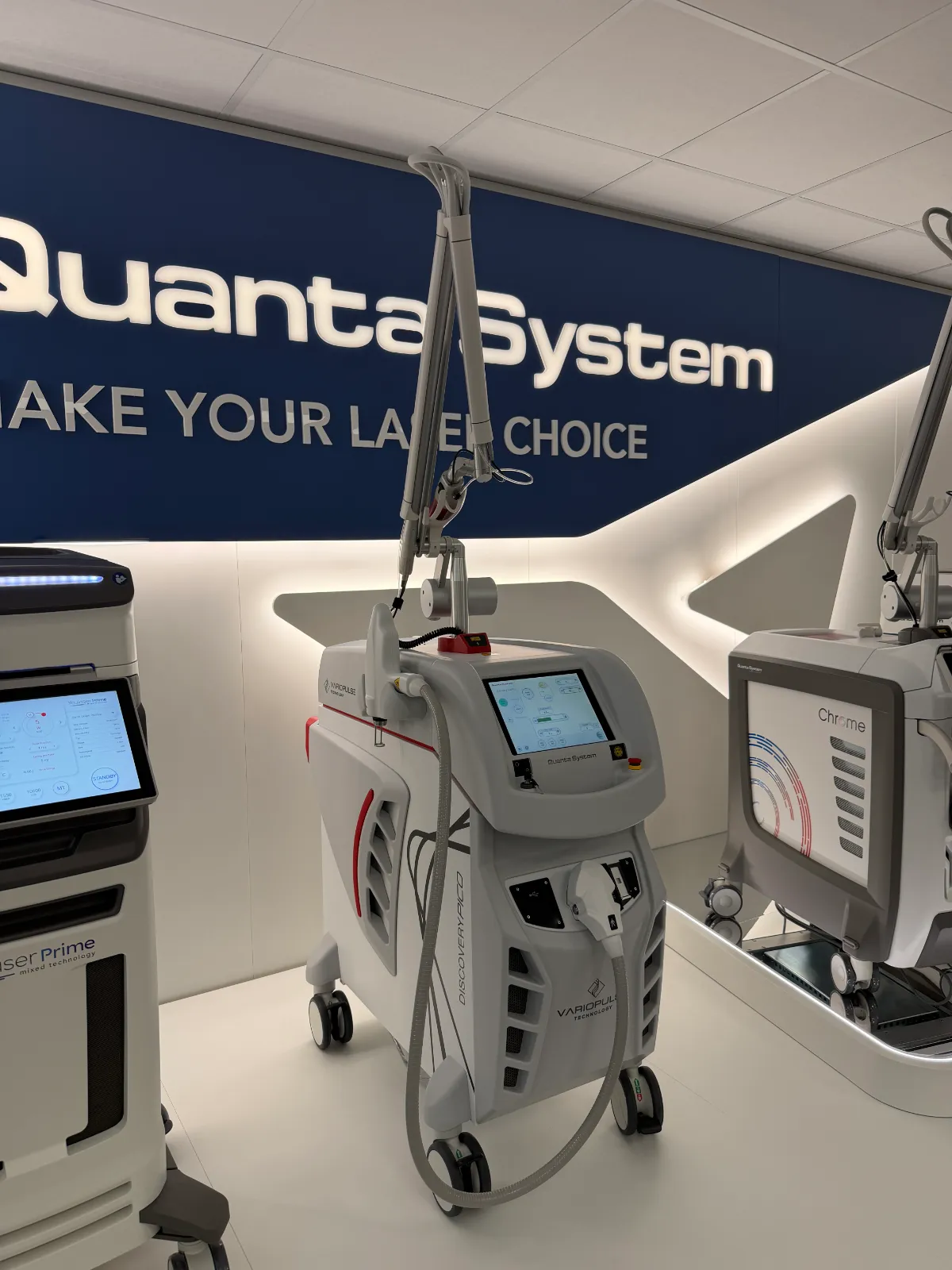
Quanta System describes VarioPulse® as offering three picosecond pulse options. Available wavelengths and accessories depend on the specific Discovery Pico model and configuration.
The manufacturer lists 1064 and 532 nm wavelengths, with 694 nm on the Plus version. These are equipment specifications, not a promise of complete removal or a shorter course.
Treatment planning considers:
-
Tattoo color and density
-
Pigment depth
-
Permanent makeup composition
-
Skin sensitivity
-
Previous unsuccessful laser treatments
-
Scarred or fibrotic tissue
Settings require professional assessment and adjustment to the skin response. Results and risks remain individual.
Discovery Pico specifications from Quanta System
Why Does This Matter for Tattoo Removal?
No two tattoos are identical.
Professional black tattoos, cosmetic pigments, green inks, cover-ups, and old multilayer tattoos all behave differently under laser energy.
Different tattoos raise different questions:
Dense Black Ink
Dense or layered black ink may need a prolonged course. Increasing energy is not automatically better; the skin response limits how treatment can proceed.
Resistant Permanent Makeup
Cosmetic pigments can change color or darken after laser exposure. Pigment history and eye protection for the treatment area should be discussed before treatment.
Permanent Makeup Removal with Laser
Complex Color Tattoos
Certain colors remain among the most difficult to remove.
A Ruby 694 nm laser may be considered for some blue and green pigments. Suitability depends on the ink, skin type and previous response; no wavelength removes every color.
Skin Response, Risks and Recovery
Short laser pulses do not make tattoo removal risk free. Temporary redness, swelling or blistering can occur; infection, scarring and changes in skin color are also possible.
The FDA’s tattoo removal guidance explains that removal usually takes multiple treatments and may remain incomplete. Recovery and the interval before another session depend on healing and individual assessment.
Tell the practitioner about previous reactions, scarring, medications and recent sun exposure. Follow the aftercare instructions and seek medical advice for concerning or worsening symptoms.
Beyond One Laser: A Comprehensive Approach
A treatment plan may use one technology or consider additional options. Combining devices is not a requirement for every tattoo.
The technologies discussed at our clinic have different purposes:
Quanta Q-Switched Technology
Q-switched treatment may be considered for tattoo pigment, with wavelength and settings selected for the individual case.
Ruby 694 nm Laser
An option for selected blue and green pigments, with particular attention to skin pigmentation and the risk of color changes.
Ruby 694 nm for blue and green tattoo ink
Er:YAG 2940 nm Technology
An ablative resurfacing technology that may be considered separately for selected scars or texture concerns. It is not the same as pigment removal and is not a routine step after every tattoo session.
Fractional Technologies
Fractional treatment for texture concerns requires a separate assessment, appropriate healing time and discussion of its own risks. It should not be presented as a guaranteed way to repair laser injury.
Zimmer Cryo Cooling System
Cold-air cooling may help with discomfort during treatment. It does not eliminate the possibility of burns, pigment changes or scarring.
Our partners
What to Ask About Laser Equipment
Ask which model and wavelength are proposed for your tattoo, why they are suitable, how the device is maintained and what training the practitioner has. Device size or marketing labels alone do not establish clinical suitability.
For a previously treated tattoo, existing scar or difficult pigment, discuss the limits of treatment and whether a medical assessment is needed before proceeding.
Our Philosophy at Laser House TLV
Technology alone does not guarantee success.
Experience, diagnosis, personalized protocols, and patient education remain essential.
We explain the proposed method, realistic goals, alternatives, aftercare and reasons to postpone or stop treatment.
The aim is to reduce unwanted pigment while monitoring the skin. Complete removal and restoration of the original skin appearance cannot be promised.
Gallery
Want to understand the laser options for your tattoo? Send a clear photo to start the conversation and arrange an individual assessment.
Send a photo on WhatsApp