How Many Sessions Are Needed for Laser Tattoo Removal?
How Many Sessions Are Needed for Laser Tattoo Removal?
What Factors Affect the Speed of Tattoo Removal?
One of the most common questions we hear at Laser House TLV is:
"How many laser sessions will I need to completely remove my tattoo?"
The honest answer is simple: every tattoo is different.
Some tattoos may significantly fade within a few procedures, while others require a longer journey and a more advanced treatment plan. The number of sessions depends on multiple factors, including skin type, tattoo location, ink density, colors, scar tissue, previous treatments, and the body's natural ability to remove fragmented pigment particles.
At Laser House TLV, we believe that successful tattoo removal is not only about removing ink but also about preserving healthy skin throughout the entire process.
Using advanced Quanta System technologies, including Q-Switched Nd:YAG, Discovery Pico, Ruby 694 nm, and Er:YAG 2940 nm, we create individualized protocols designed for each client's unique needs.
Laser Tattoo Removal FAQ: The Most Common Questions
Is There a Way to Estimate the Number of Tattoo Removal Sessions?
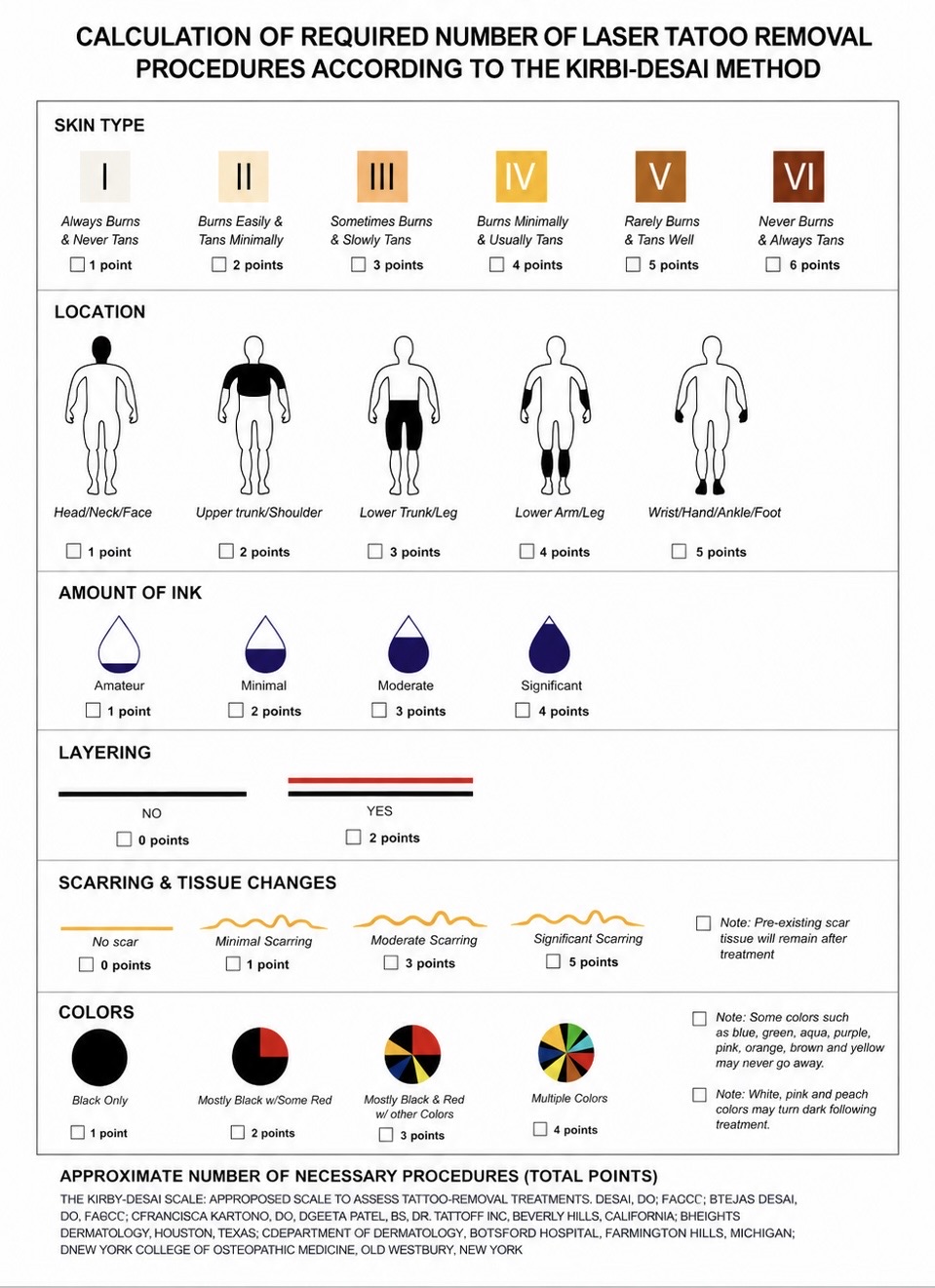
Dermatologists often use the Kirby–Desai Scale to estimate the approximate number of laser tattoo removal procedures.
This assessment system considers:
-
Skin type
-
Tattoo location
-
Ink density
-
Layering or cover-up tattoos
-
Scar tissue
-
Number and complexity of colors
The final score provides an estimated treatment range rather than an exact guarantee.
Modern technologies and individual healing responses mean that every person may achieve different results, even with similar tattoos.
Illustration: The Original Kirby–Desai Scale
The table below demonstrates the traditional Kirby–Desai assessment system used as a reference during consultation and treatment planning.
It helps specialists estimate how many treatments may be required based on multiple factors influencing the tattoo removal process.
At Laser House TLV, this scale serves as a guideline only. Modern Quanta System technologies, Discovery Pico protocols, Ruby treatments, scar revision procedures, and individual immune responses all play an important role in determining the final treatment timeline.
Skin Type Influences Treatment Planning
Your natural skin tone affects both safety and treatment speed.
The Fitzpatrick Skin Type classification helps determine appropriate wavelengths and energy settings.
Darker skin types contain more melanin, requiring more conservative treatment parameters to minimize the risk of hyperpigmentation or hypopigmentation.
This does not mean tattoo removal is less effective it simply means treatments must be performed with proper expertise and advanced equipment.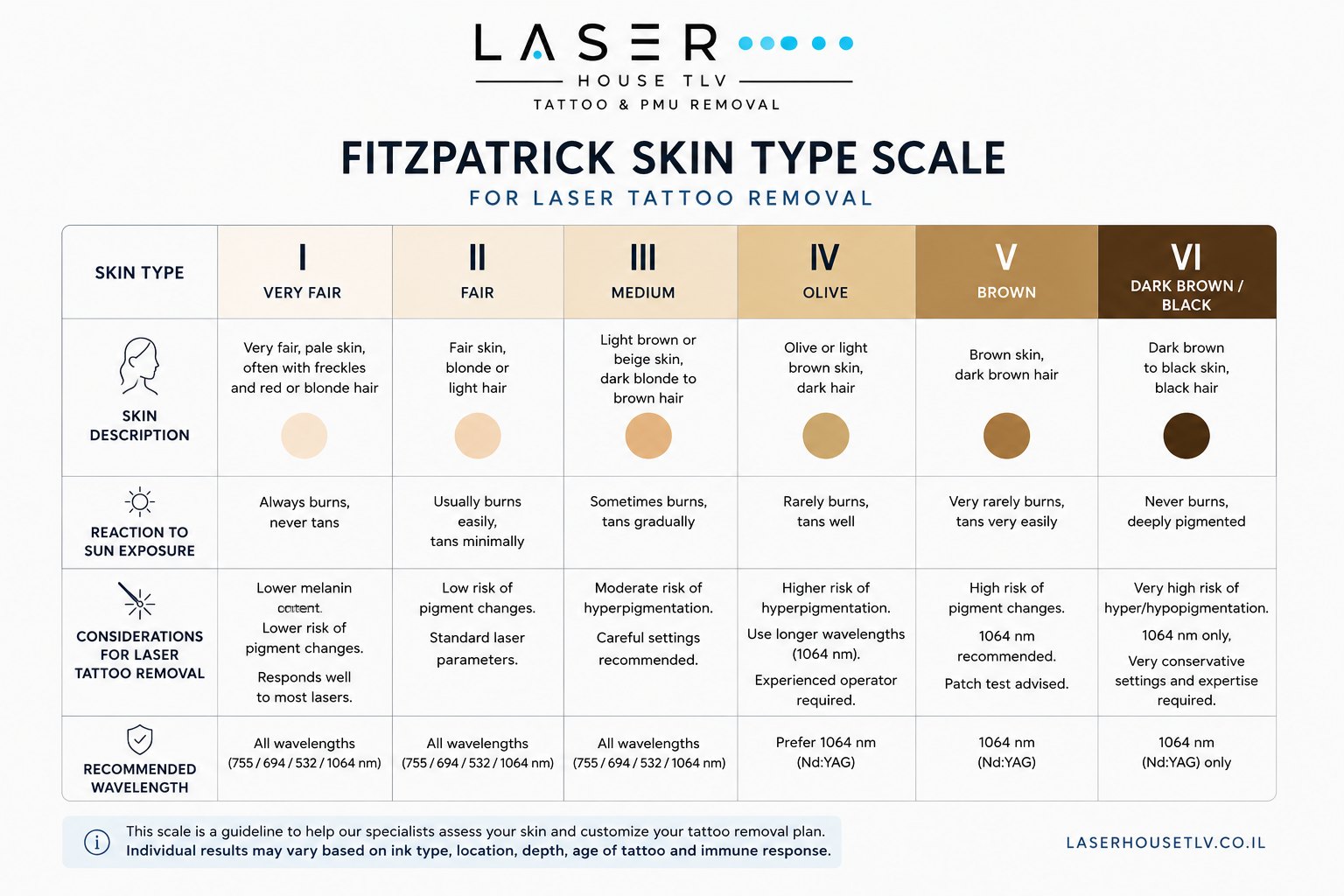
Why Do Tattoos on the Hands and Feet Take Longer to Remove?
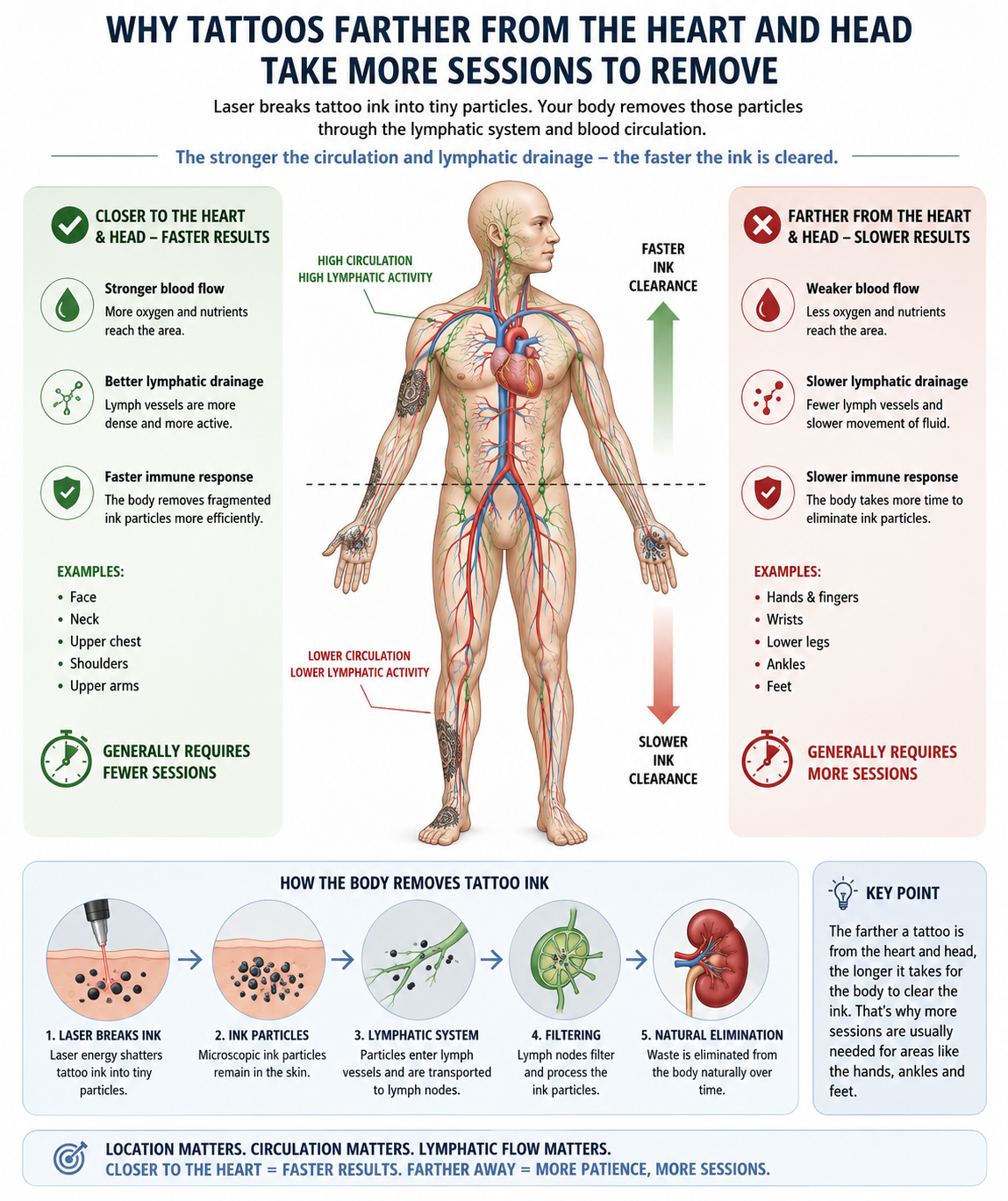
Many clients notice that tattoos on the face, neck, and upper body tend to fade faster than tattoos located on the hands, ankles, or feet.
The reason is directly related to blood circulation and the lymphatic system.
Laser energy breaks the tattoo pigment into microscopic particles, but the laser itself does not remove the ink from the body. The immune and lymphatic systems are responsible for transporting and eliminating those particles over time.
Areas closer to the head, neck, and heart generally have stronger circulation and more efficient lymphatic drainage.
Because of this, tattoos located on:
-
Face
-
Neck
-
Upper chest
-
Shoulders
often respond faster to treatment.
Meanwhile, tattoos on:
-
Fingers
-
Hands
-
Wrists
-
Ankles
-
Feet
-
Lower legs
typically require additional sessions due to naturally slower circulation and reduced lymphatic activity.
This is why two identical tattoos may heal and fade at completely different rates depending solely on their location.
Professional Tattoos Usually Require More Sessions
Professional tattoos contain significantly more pigment than amateur tattoos.
They are typically applied deeper into the skin and consist of multiple dense layers of ink designed to last for a lifetime.
As a result, professional tattoos generally require:
-
More laser treatments
-
Longer treatment intervals
-
More personalized protocols
Small amateur black tattoos may fade within several procedures, while large professional pieces often require a much longer process.
Cover-Up Tattoos Are More Challenging
A cover-up tattoo contains multiple layers of pigment.
The laser must gradually remove both the original tattoo and the newer design placed above it.
These cases often require:
-
Additional sessions
-
Multiple wavelengths
-
Individual treatment strategies
Cover-up tattoos are among the most complex procedures in laser tattoo removal.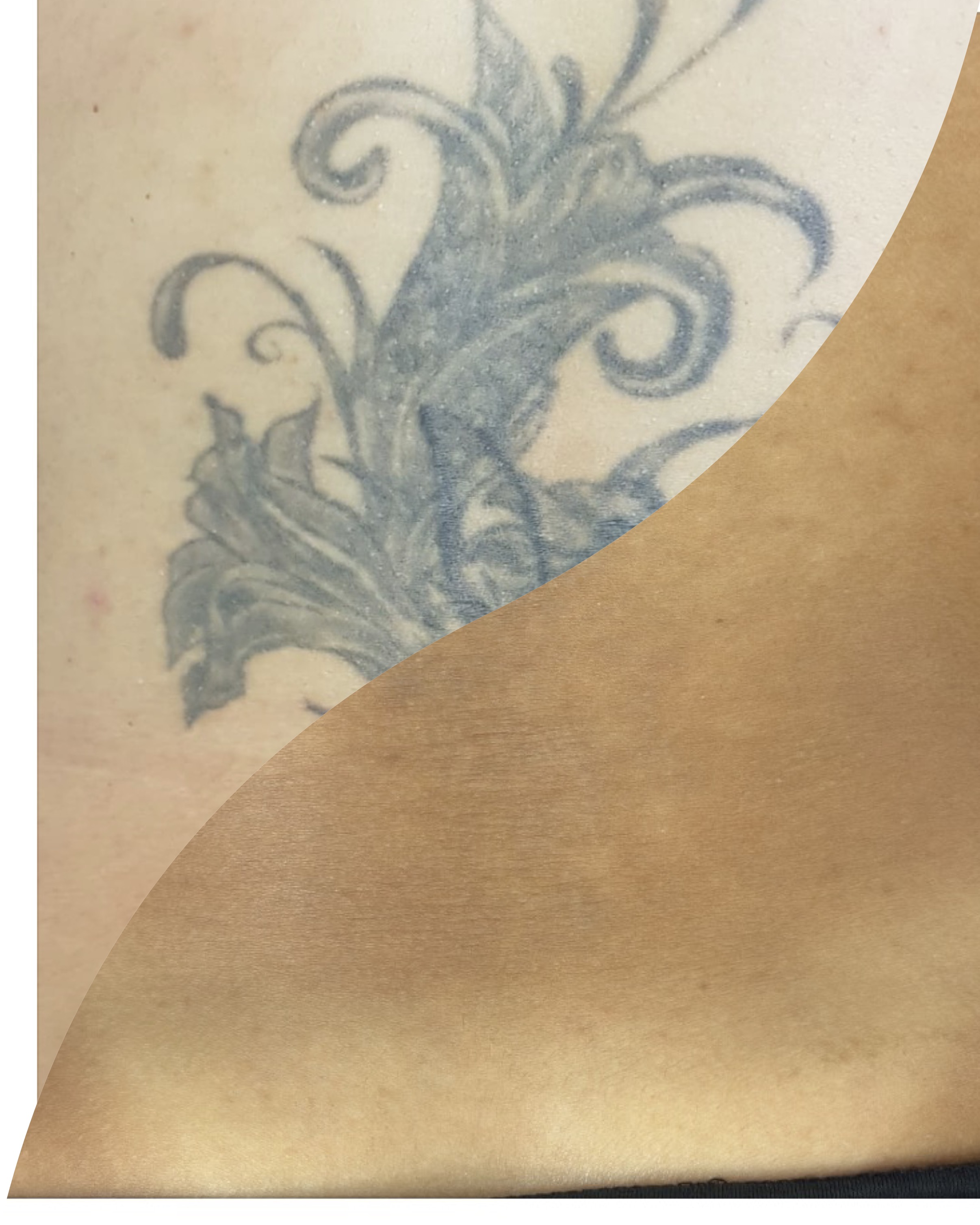
Scar Tissue Can Significantly Affect Results
Scar tissue changes how laser energy interacts with the skin.
Scars may result from:
-
Previous aggressive laser procedures
-
Burns
-
Poor tattooing techniques
-
Existing hypertrophic scarring
Scarred areas often have reduced blood circulation and altered collagen structures, slowing the natural removal of fragmented pigment.
At Laser House TLV, scar management is considered an essential part of treatment planning rather than an afterthought.
Why Can Tattoo Removal Stop Working After Many Sessions?
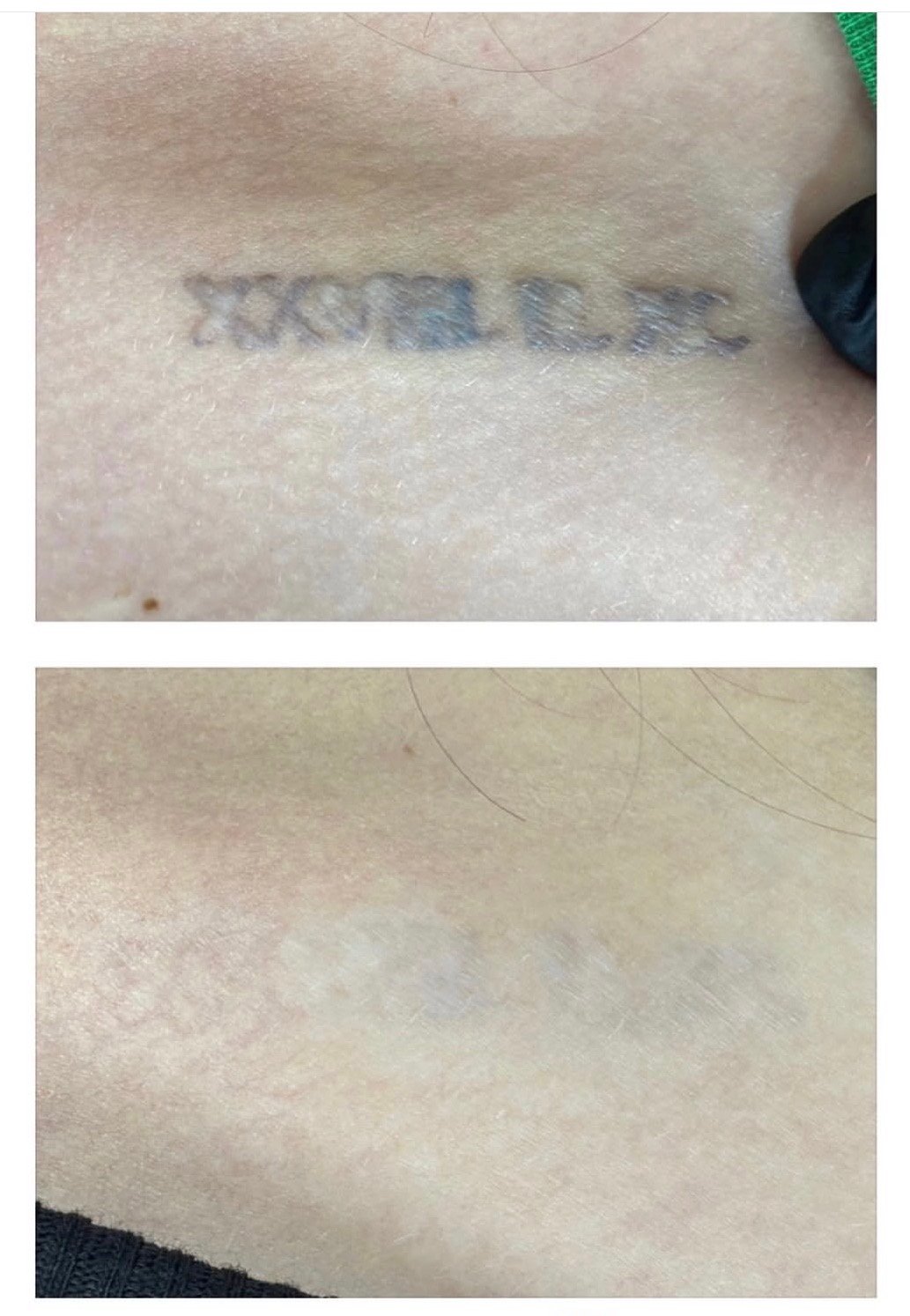 |
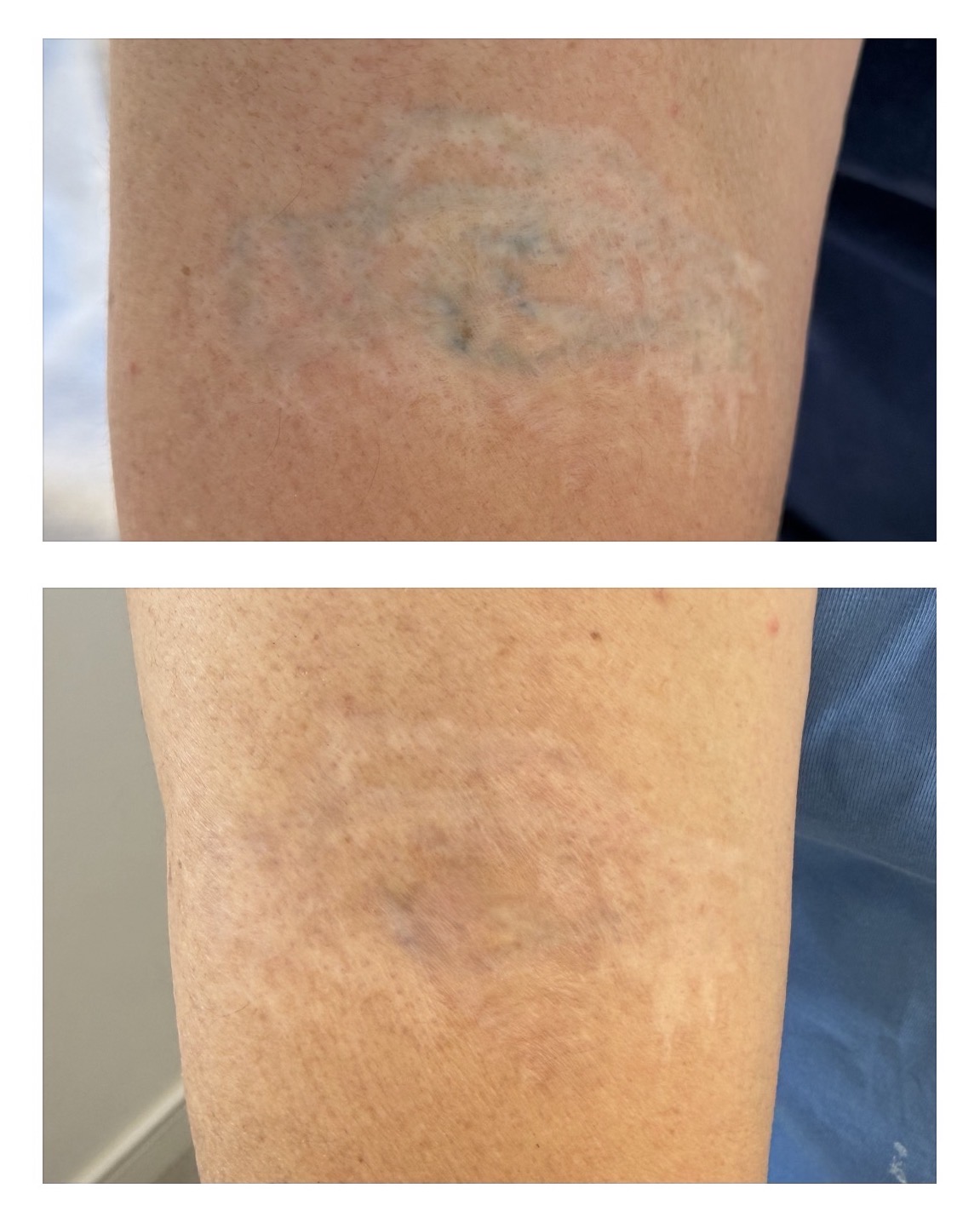 |
Black Tattoos Are Usually Easier to Remove
Black pigment absorbs laser energy extremely efficiently.
The 1064 nm wavelength remains the gold standard for treating:
-
Black tattoos
-
Dark blue shades
-
Deep professional ink
Because black pigment responds so well to laser energy, these tattoos are generally the most predictable to remove.
However, density, location, scarring, and previous treatments still influence the total number of procedures.
Colored Tattoos Require Specialized Technologies
Colored tattoos present unique challenges because every pigment reacts differently to laser wavelengths.
Advanced Colored Tattoo Removal And Pigment-Specific Laser Technology
Red and Orange Pigments
Red and orange colors typically respond well to 532 nm wavelengths.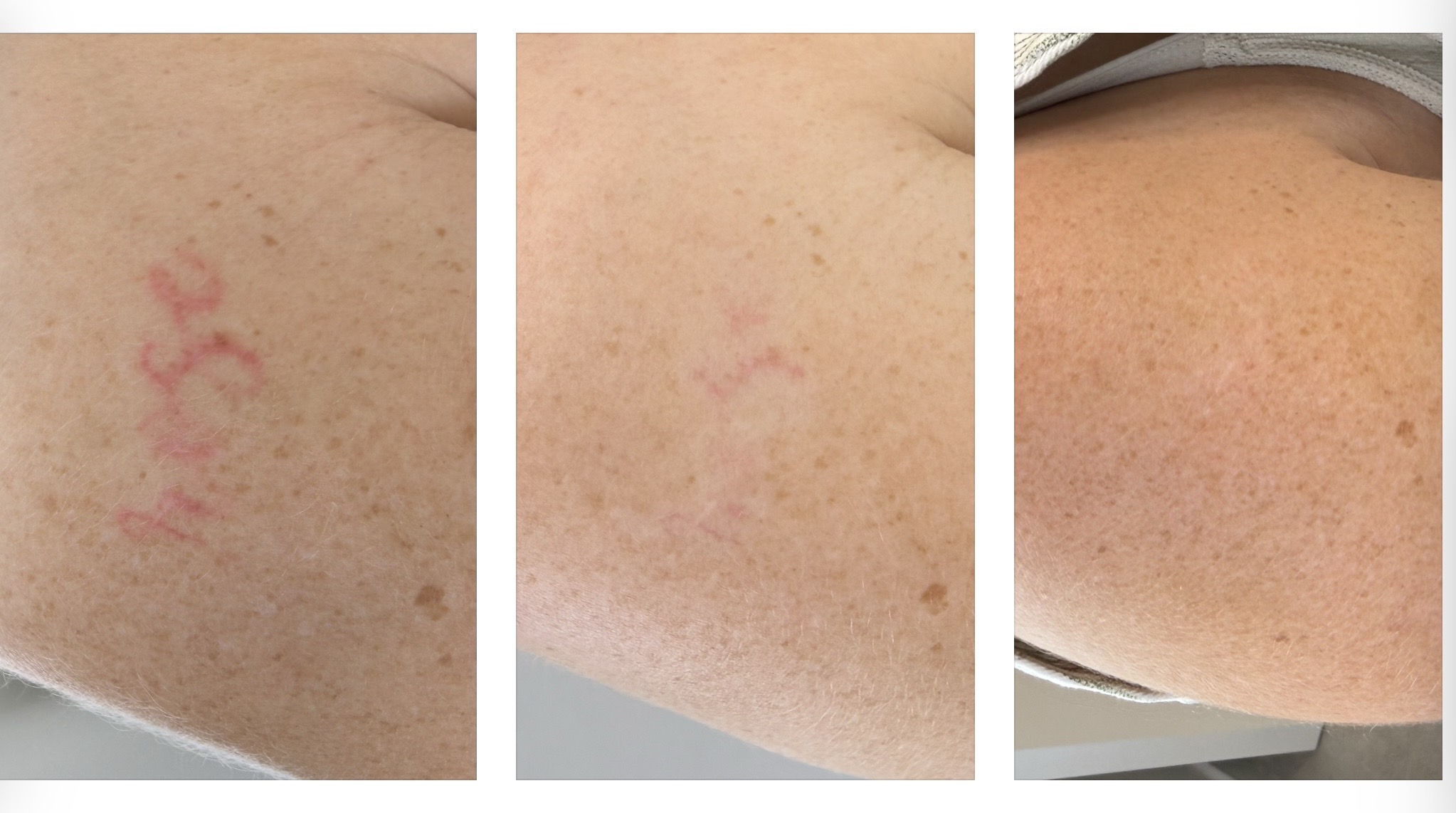
Blue and Green Pigments
Blue and green tattoos are among the most difficult pigments to remove.
At Laser House TLV, we use the Quanta System Ruby 694 nm laser, considered one of the world's most effective technologies for treating stubborn blue and green pigments.
Ruby technology allows us to address cases that may not respond adequately to conventional wavelengths.
Ruby Laser 694nm: The Gold Standard for Challenging Tattoos Colors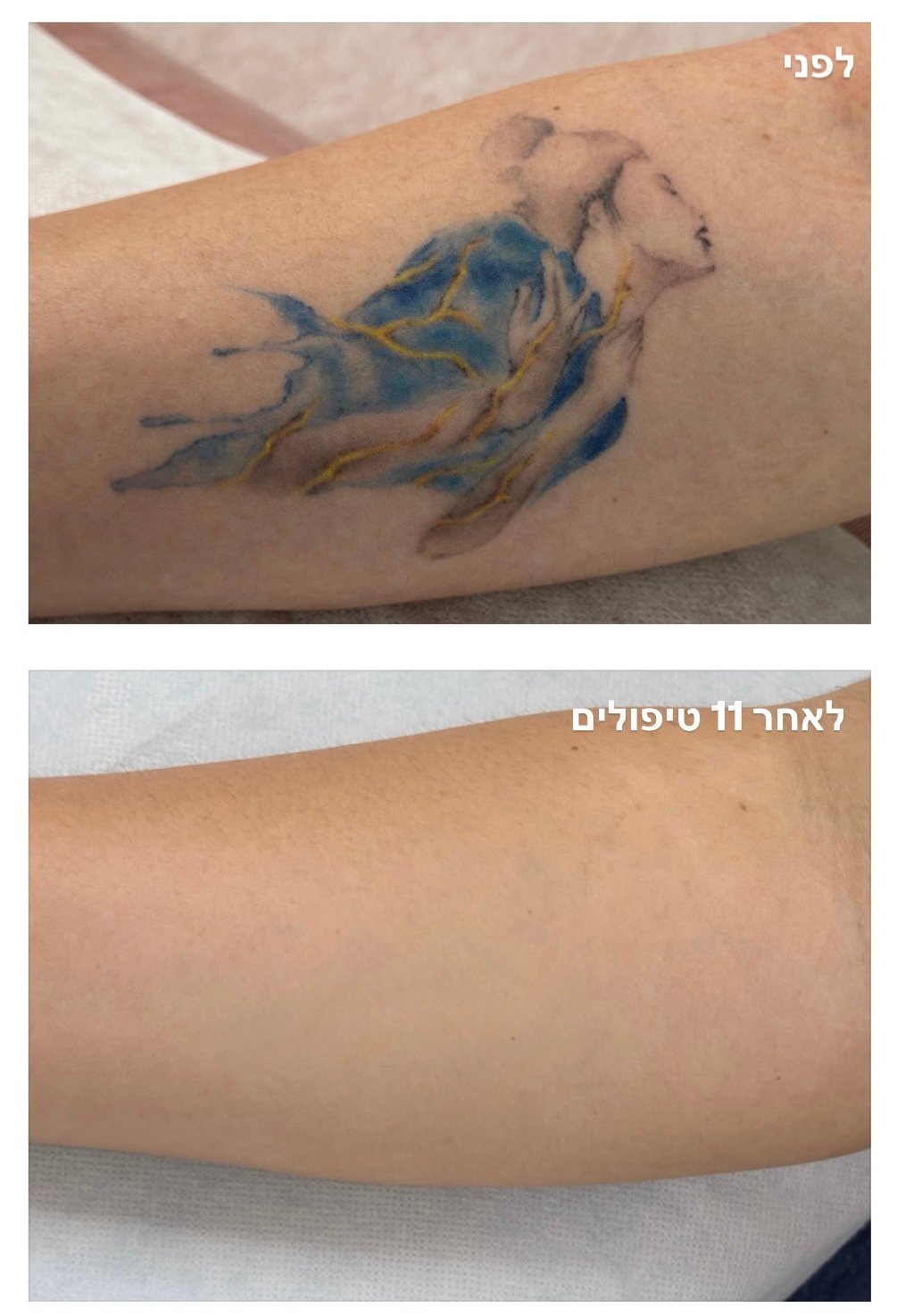
White, Yellow, and Flesh-Colored Pigments
White, beige, peach, and certain yellow pigments may behave unpredictably.
Some pigments containing titanium dioxide or iron oxide can temporarily darken after treatment and require specialized management strategies.
These cases demand extensive experience and individualized planning.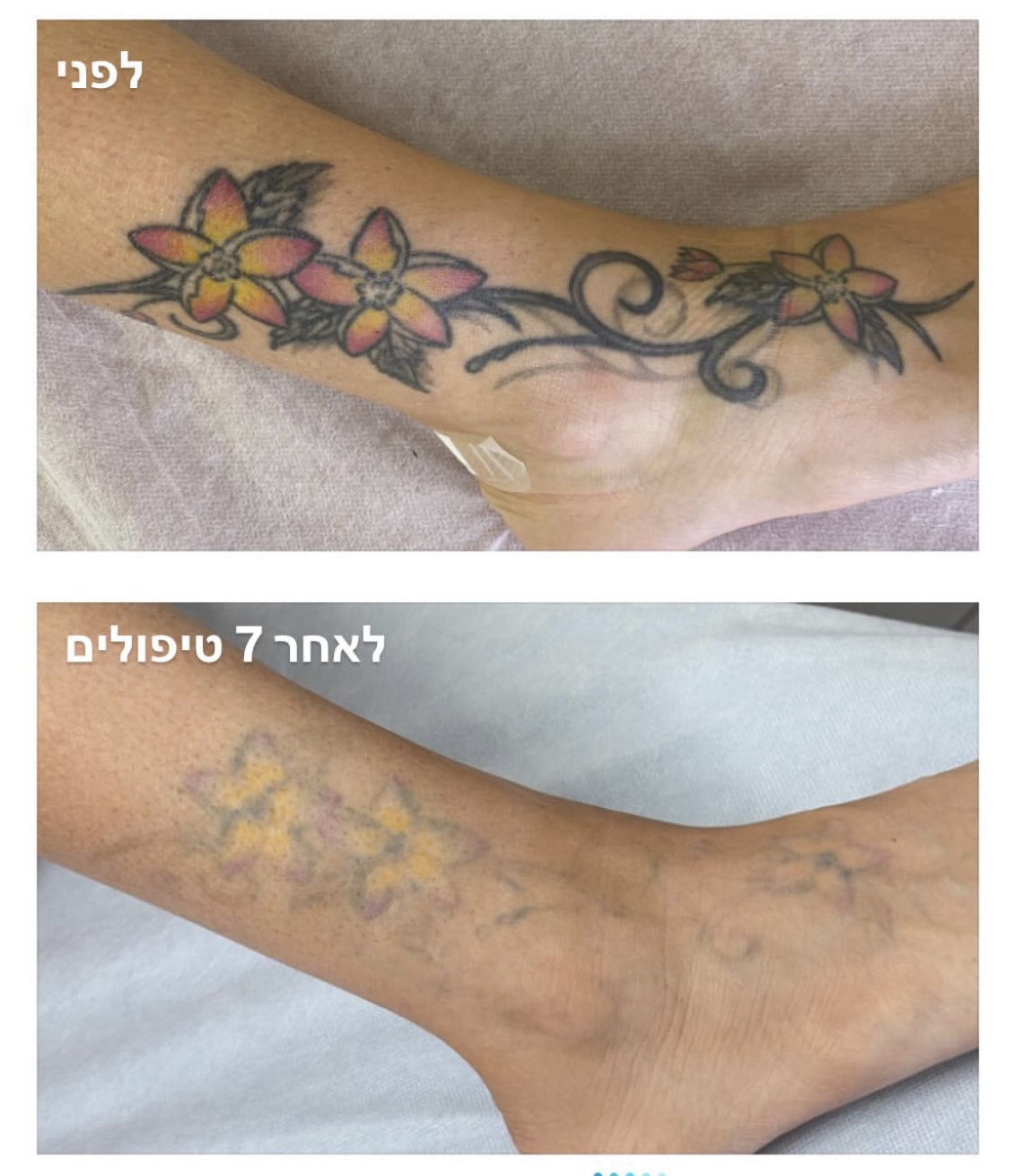
Your Immune System Plays a Major Role
The laser breaks down the pigment.
Your body performs the actual removal process.
Several factors influence how quickly the immune system clears fragmented ink:
-
Age
-
General health
-
Smoking habits
-
Hydration
-
Physical activity
-
Sleep quality
-
Genetics
-
Blood circulation
Two people with identical tattoos may require completely different treatment timelines simply because their immune systems respond differently.
Advanced Colored Tattoo Removal And Pigment-Specific Laser Technology
Advanced Quanta System Technologies at Laser House TLV
Modern tattoo removal is no longer about relying on a single laser.
Different pigments, skin types, scars, and previous procedures require different technologies.
Our partners
Q-Switched Nd:YAG 1064 nm and 532 nm
The Quanta System Q-Switched platform remains one of the most effective solutions for:
-
Black tattoos
-
Red pigments
-
Orange pigments
-
Dense professional tattoos
-
Darker skin types
Discovery Pico Technology
The Discovery Pico laser delivers ultra-short picosecond pulses, creating a powerful photoacoustic effect that can help break specific pigments into extremely fine particles.
Discovery Pico may be beneficial for:
-
Residual shadows
-
Fine remaining pigment
-
Certain colored tattoos
-
Advanced combination protocols
However, no single technology is universally superior.
The best results come from choosing the appropriate laser for each stage of treatment.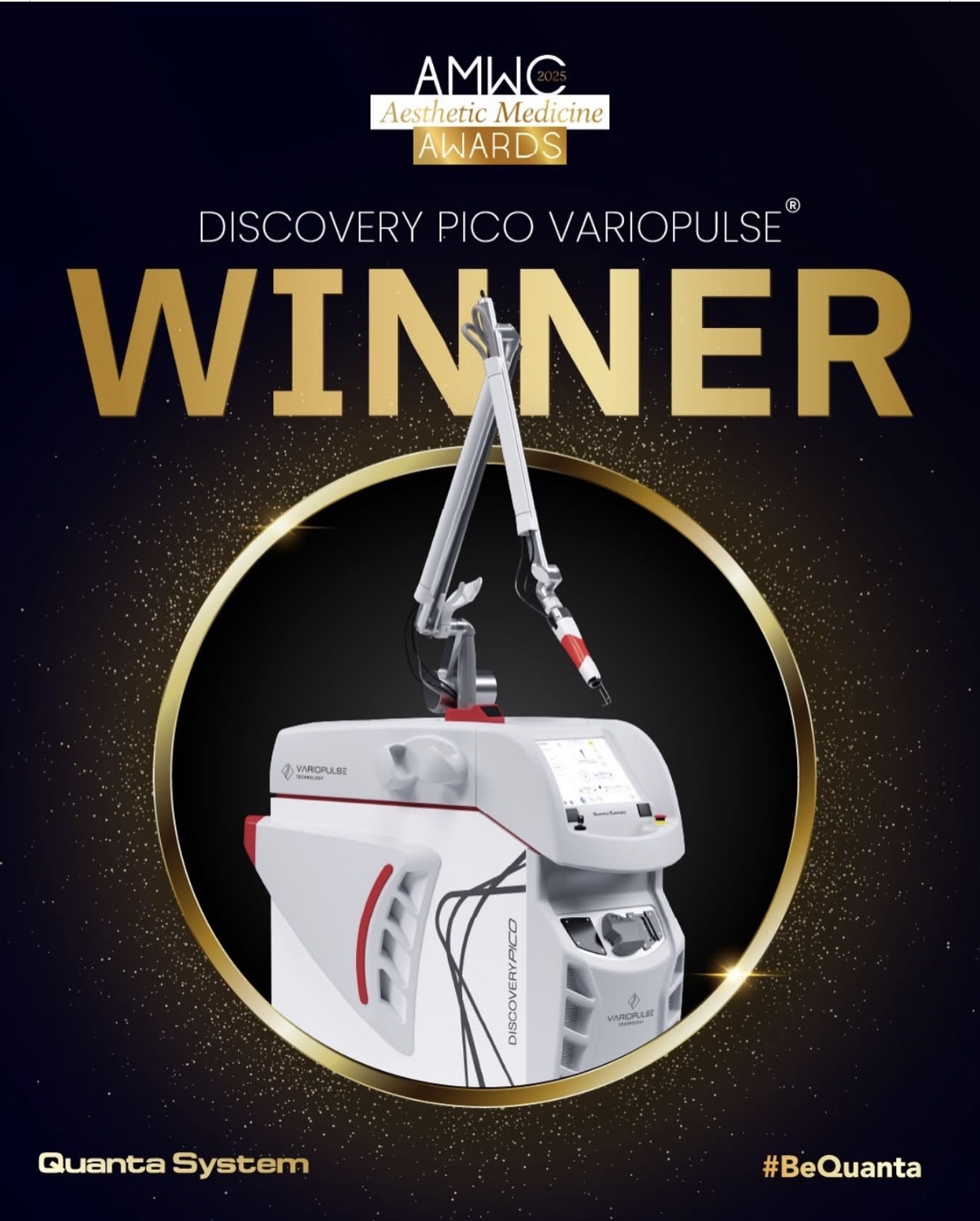
Ruby 694 nm
Ruby technology remains one of the gold standards for:
-
Green tattoos
-
Blue tattoos
-
Turquoise pigments
-
Resistant permanent makeup
-
Previously treated tattoos that have stopped responding
Ruby Laser 694nm: The Gold Standard for Challenging Tattoos Colors
Er:YAG 2940 nm for Scar Revision
Not every challenge in tattoo removal involves pigment alone.
Some clients arrive with scars and burns following unsuccessful procedures elsewhere.
The Er:YAG 2940 nm laser works differently from tattoo removal lasers.
Rather than targeting ink, it precisely removes microscopic layers of damaged tissue while stimulating collagen remodeling and healthier skin regeneration.
Er:YAG treatments may help improve:
-
Hypertrophic scars
-
Burn-related skin changes
-
Uneven skin texture
-
Old tattooing scars
-
General scar revision
Its extremely high water absorption allows precise resurfacing with minimal thermal damage to surrounding tissues.
For complex cases, combining pigment removal with scar treatment technologies can significantly improve both aesthetic results and long-term skin quality.
Approximate Tattoo Removal Timeline
While every case is unique, general estimates include:
| Tattoo Type | Estimated Sessions |
|---|---|
| Small amateur black tattoos | 4–8 sessions |
| Professional black tattoos | 8–12 sessions |
| Large dense tattoos | 10–15 sessions |
| Colored tattoos | 10–18+ sessions |
| Cover-up tattoos | 12–20+ sessions |
| Tattoos with scars or burns | Individual assessment required |
These estimates should always be considered approximate rather than guaranteed.
The Most Important Goal: Healthy Skin
At Laser House TLV, our philosophy is simple:
Removing ink should never come at the expense of healthy skin.
Aggressive treatments that produce burns or permanent damage may appear faster initially, but they often create long-term complications and make future procedures significantly more difficult.
Our approach focuses on:
-
Advanced Quanta System technology
-
Discovery Pico protocols
-
Ruby 694 nm expertise
-
Er:YAG 2940 scar management
Fractional 8DF Laser -
Individualized treatment plans
-
Effective cooling systems
-
Conservative, skin-preserving parameters
Because the best tattoo removal result is not only clear skin, but healthy skin.
Why Choosing the Wrong Laser Can Damage Your Skin
Laser Tattoo Removal: Why Choosing the Right Technology and Clinic Matters
Book a Professional Assessment
If you would like to know how many sessions your tattoo may require, the most accurate solution is a professional consultation.
Our specialists evaluate:
-
Skin type
-
Tattoo location
-
Ink density
-
Colors
-
Scar tissue
-
Previous procedures
-
Overall skin condition
-
Individual healing factors
This allows us to create a personalized treatment strategy designed specifically for your tattoo and your long-term skin health goals.
Laser House TLV combines advanced technology with an individualized approach to achieve safe, effective, and skin-preserving tattoo removal results.
Gallery
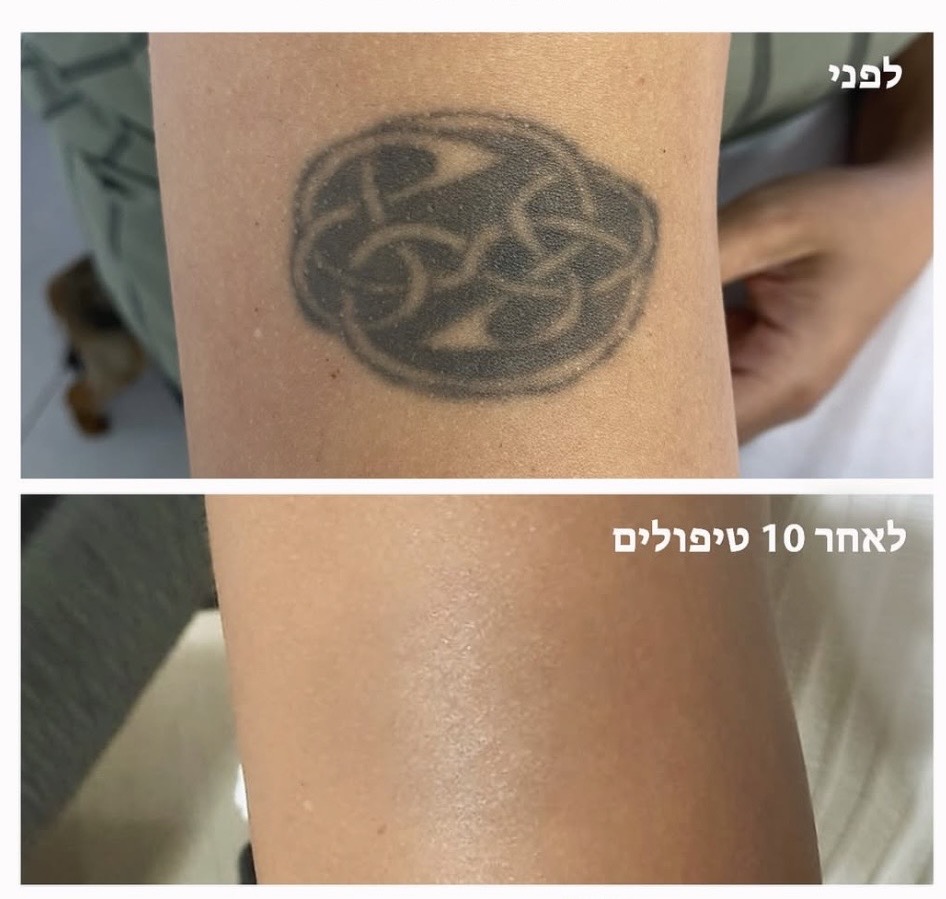 |
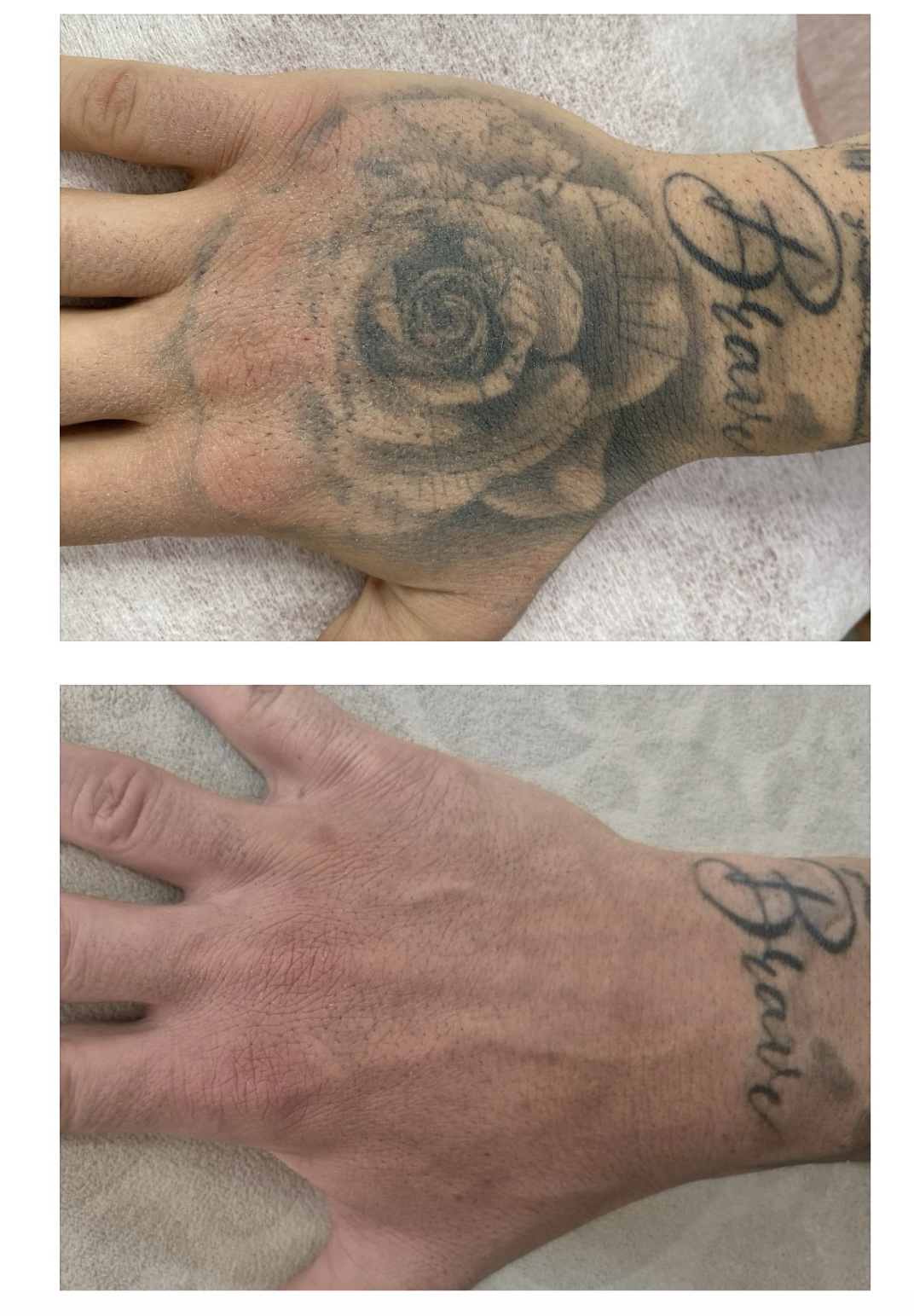 |
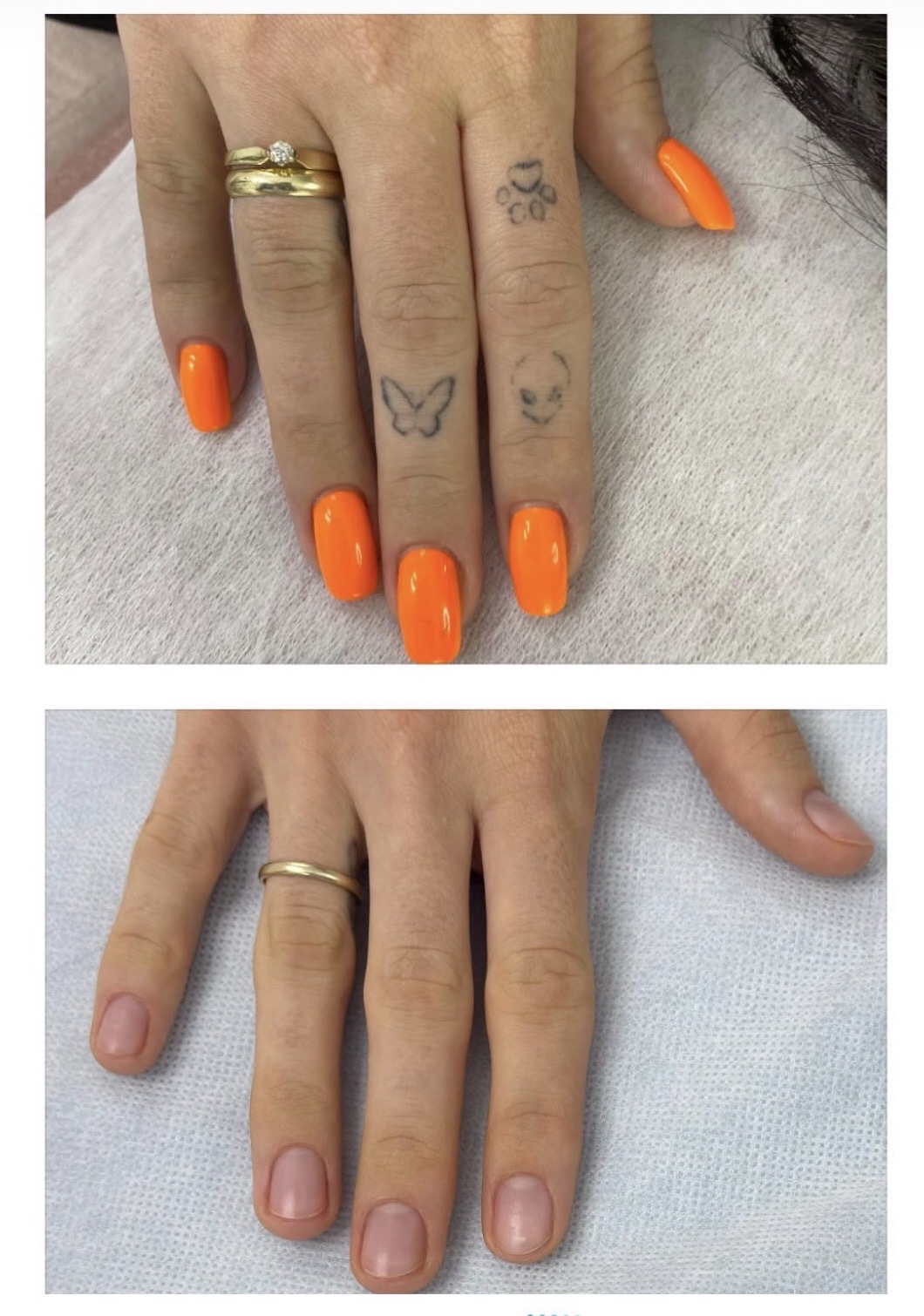 |